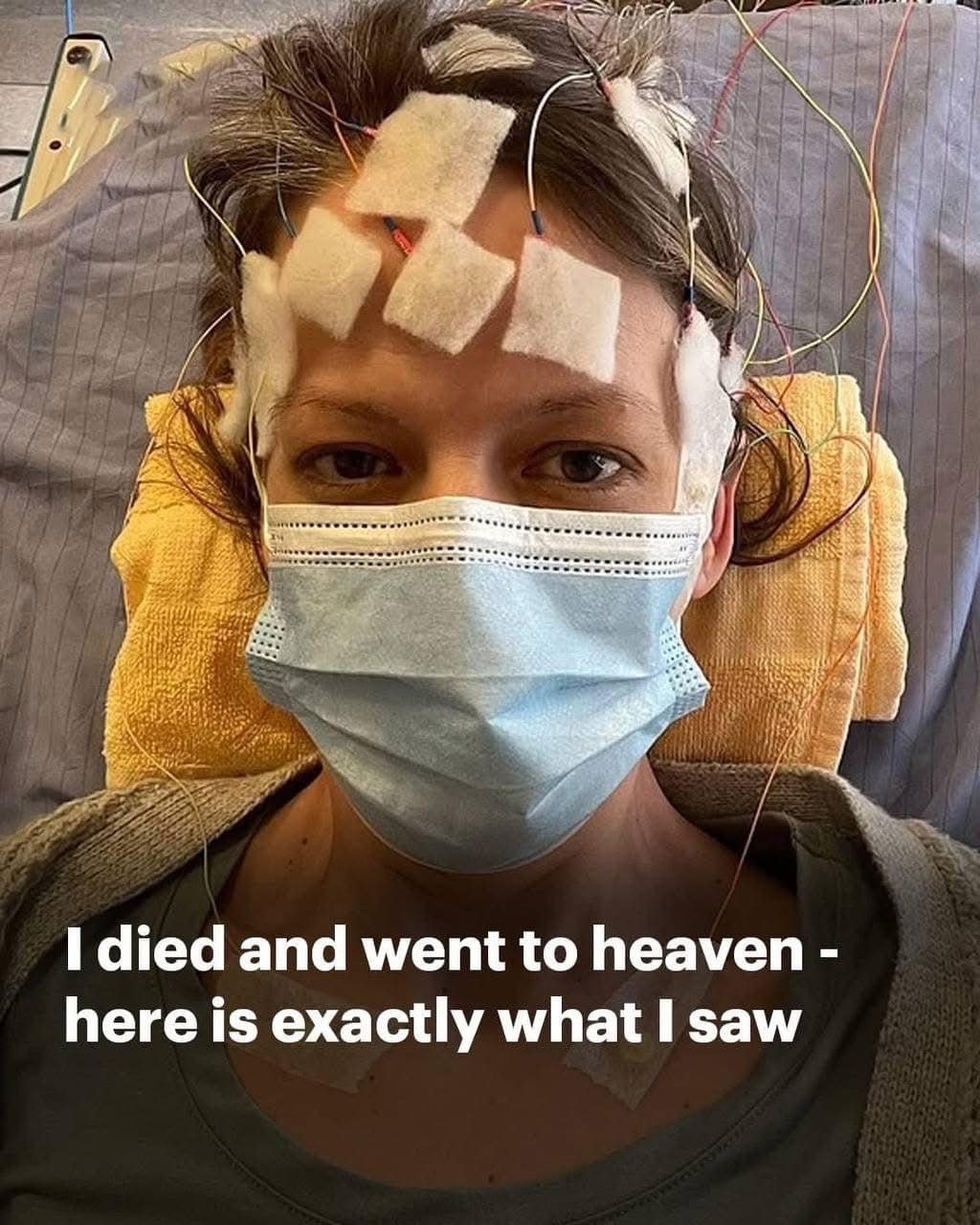
Julie Poole says the moment she stepped out of her body, the pain stayed behind like an old coat dropped on the floor. After swallowing every pill in the cabinet, she closed her eyes in a small Welsh flat and opened them in a garden that smelled of sun-warmed peaches. Beings made of soft gold light greeted her without moving their mouths; the words simply bloomed inside her chest: “Not yet, little one.” She argues now that death is not a door slamming shut but a curtain pulled back, and for seventy-two hours she wandered backstage while doctors on Earth shook their heads and whispered about brain swelling.
Time, she insists, works differently when clocks melt. In one breath she reviewed every bruise her stepfather left, every playground taunt, every night she begged the dark to keep her. The angels—she calls them that for lack of a better noun—showed her those wounds turned into lanterns, ugly scars transformed into thin paper windows that let new light leak through. Then they tilted her attention toward a rolling vision: cities where money grows transparent, courts where truth is a living color you can taste, classrooms that teach kindness as the first language. Between 2012 and 2032, they said, the curtain will tear further and everyone will glimpse the wiring behind power.
When she gasped back into her hospital room, tubes in her arms and panic in her mother’s eyes, the calendar claimed only three days had passed. Julie carried a calendar of another sort: an inner countdown she could not shake. She began to speak in village halls and later on computer screens, warning that the years ahead would feel like shaking a rug too hard; the dust would choke before the fabric clears. Corruption, she claims, is simply fear wearing expensive suits, and fear will be undressed in public. Leaders who hoarded while children slept hungry will find their secrets trending faster than they can delete emails.
Listeners lean in, hungry for dates and disaster, but Julie keeps returning to the garden lesson: the future is not a storm coming at us; it is a mirror walking toward us. What we refuse to heal in ourselves will show up louder in headlines. She does not ask crowds to stock bunkers or buy cryptocurrency; she asks them to plant one row of beans, apologize to one sibling, vote with the heart instead of the wound. Every small honesty, she says, is a vote for the Golden Age, a ballot cast inside the bloodstream of the world.
Tonight she lights the same candle she has lit since returning, a white stub melted down and replaced countless times. She watches the flame flicker and repeats the promise she made on the other side: “I will stay and hold the lamp.” Whether heaven is real or a mind’s merciful hallucination, the message she carries feels useful: change is not coming from distant galaxies or divine thunderbolts; it is rising through ordinary people who finally decide that cruelty, greed, and silence are no longer fashionable currencies. If her vision is correct, we are halfway through the twenty-year window. If she is wrong, we have still planted beans and apologized, and that alone might be enough to tilt the scale.