The Partridge Family burst onto television screens in the 1970s as a perfect picture of pop-rock harmony and family fun. With their colorful bus and unforgettable tunes, they captured the hearts of a generation. Yet, the real story behind this fictional band is filled with twists, hidden struggles, and poignant truths that never made it into the script. The show was directly inspired by the real-life family band The Cowsills, but when producers discovered the actual group wasn’t suited for acting, they crafted a new television legacy. This decision launched the career of a young David Cassidy, whose journey from relative unknown to global superstar happened almost overnight.
Cassidy’s rise was meteoric. His face became ubiquitous, and “Cassidymania” swept across the world, creating a level of fan hysteria rarely seen. Ironically, while his image was everywhere, he had little financial or creative control over it, earning a modest salary while others profited from his likeness. Even the band’s musical success held an unexpected secret: the Partridge Family wasn’t a real group, but their records sold millions, and they received a Grammy nomination. Cassidy’s voice, layered with professional session singers, created the iconic sound, yet he often felt like a passenger on his own runaway train of fame.
Life behind the scenes was far from the cheerful plots viewers enjoyed. Susan Dey, who portrayed the intelligent and poised Laurie Partridge, privately wrestled with the intense pressures of sudden fame and an eating disorder, challenges she would only speak about years later. Danny Bonaduce, the scene-stealing Danny, used his sharp wit and a photographic memory to navigate his dyslexia, a talent that sometimes led to friction when he corrected older actors on set. The set, while often joyful, was also a workplace where real-life anxieties and personal battles played out quietly.
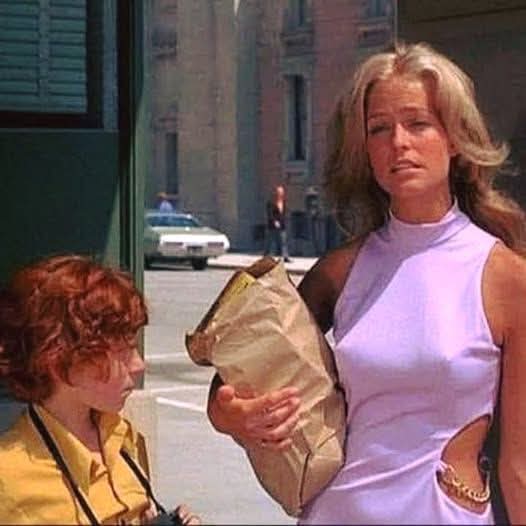
A closer look at the episodes reveals charming, low-budget quirks that have since become endearing to fans. Observant viewers can spot production shortcuts, like a clearly visible wire guiding a skunk in an early episode or inconsistencies in the famous Partridge house set. The show also served as an early showcase for future stars, with guest appearances by Farrah Fawcett, Jaclyn Smith, and Cheryl Ladd long before they found fame on Charlie’s Angels. These hidden details add layers to the show’s legacy, painting a picture of a typical television production doing its best to create magic.
The most heartbreaking revelation came decades later from David Cassidy himself. In his final years, he shared his devastating struggle with dementia, which he later clarified was a result of decades of alcohol abuse, a coping mechanism for the pressures he faced from a young age. His poignant, final public words—”So much wasted time”—resonated as a tragic epilogue to a story that began with so much joy and promise. Today, the show endures not just as a nostalgic artifact, but as a complex tapestry of brilliant success, hidden pain, and the enduring human spirit behind the bright paint and catchy melodies.