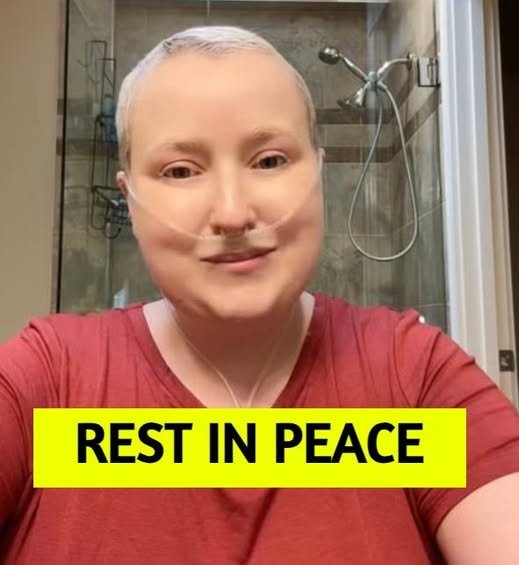
We never met Dr. Kimberly Nix in the hospital halls she once raced through, yet millions of us felt her hand on our shoulder through a phone screen. She started posting the way she probably wrote patient notes—clear, honest, and kind—except the patient was herself and the diagnosis was metastatic sarcoma. At twenty-eight, while finishing the last brutal year of residency, she learned her own body had turned against her in the language of rogue cells and stubborn tumors. Instead of hiding the chart, she opened it wide, letting the rest of us read the scary lines and still somehow feel comforted.
Between IV beeps and early-morning rounds she filmed short clips: how to place a scarf over bald spots, how to laugh when your eyebrows vanish, how to keep studying for board exams while steroids puff your face. She stood in tiny bathrooms, fluorescent lights buzzing, and spoke like a big sister who refused to let fear finish the sentence. Her husband often appeared in the background, bringing tea or simply holding the camera when her hands shook too much. She called him “my home base,” and you could see the words land in his eyes like the softest touchdown.
Three years later, on a May morning that looked ordinary to everyone else, she recorded a nine-minute video the way other people write farewell letters. She put on mascara with the same steady wrist that once stitched skin, chose a floral dress that brushed knees no longer swollen from chemo, and talked about growing old as if it were a town she would miss visiting. The only tears she allowed were for the long life her husband would live without her beside him. Then she squared her shoulders, smiled the smile that had reassured countless patients, and asked viewers to send coins to the Sarcoma Alliance instead of flowers.
The news of her death arrived like a final post: calm, direct, and gentle even in its heaviness. Yet the lessons she left keep scrolling—less about dying bravely and more about living honestly. She showed that white coats can be worn by patients too, that vulnerability is not the opposite of strength but its twin, and that a voice on the internet can feel like a friend in the dark. Somewhere tonight a medical student watches her old videos and remembers why the long road matters; a newly diagnosed woman ties a scarf and dares to admire herself in the mirror; a young widower carries forward the love that taught him how wide a heart can stretch.
Kimberly never promised miracles, only company on the hardest walk. In return we offer what she gave us—attention, gratitude, and the promise to keep asking questions, to keep holding hands, to keep wearing the bright white coat of compassion long after the fabric frays. Her shift has ended, but the chart stays open in every life she touched, each of us now responsible for the next line.