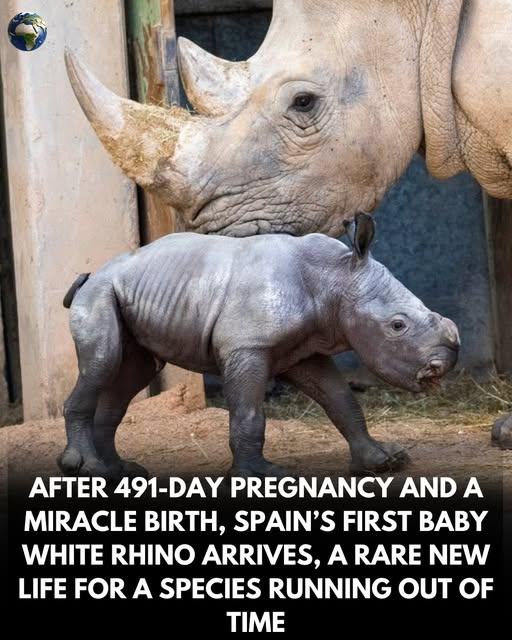
The recent birth of a white rhino calf at Bioparc Valencia Zoo is a milestone that transcends the boundaries of the facility. Following a remarkable 491-day gestation, the arrival of this calf is a direct contribution to one of the planet’s most urgent conservation missions: saving the critically endangered white rhino. This event underscores the vital role that accredited zoos and breeding programs play as arks of hope for species on the edge of vanishing forever.

White rhinos are caught in a devastating spiral. Prized for their horns, they are targets of relentless poaching, while their habitats shrink due to human encroachment. The situation is so dire that the northern white rhino subspecies is down to its last two females. In this context, coordinated breeding programs like the European Conservation Program (EEP) are not optional; they are essential lifelines. Each successful birth, like this one in Valencia, injects precious genetic diversity into a dwindling population, building a buffer against disease and inbreeding that could otherwise seal the species’ fate.
The calf’s birth is the culmination of immense dedication from animal care specialists, veterinarians, and conservation biologists. It validates the science of managed care and the ethics of modern zoos committed to species preservation. However, this celebratory moment is also a sobering reminder. True salvation for the white rhino requires a two-pronged approach: robust breeding programs ex-situ (outside natural habitats) coupled with unwavering protection in-situ (in the wild). This calf is a triumph, but its future depends on a continued, global commitment to ending poaching and preserving African ecosystems. The fight is far from over, but every new life is a step forward.