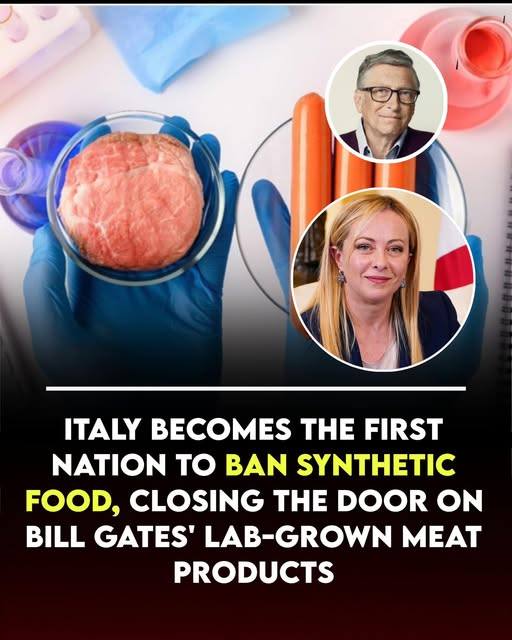
In a move that has sent shockwaves through the global food industry, Italy has become the first nation to officially ban lab-grown meat. This landmark decision, enshrined in Law 172/2023, prohibits the production, sale, and import of meat cultivated from animal cells in a laboratory. The law is a direct and powerful statement of values, prioritizing the nation’s profound culinary heritage and local agriculture over a technology heralded by some as the future of sustainable protein. While plant-based alternatives remain unaffected, Italy’s stance sets the stage for a pivotal international debate on what truly defines our food.
The Italian government’s motivations are deeply rooted in identity and protection. For Italy, food is not merely sustenance; it is a cornerstone of culture, history, and regional pride. The ban is seen as a necessary shield for the country’s farmers and its world-renowned food traditions, from Parma’s prosciutto to Tuscany’s bistecca. Officials argue that allowing lab-grown meat—a product of high-tech bioreactors often backed by international investors—would undermine the authenticity and economic viability of Italy’s agricultural sector. It is a bold assertion of food sovereignty, declaring that the nation’s food system should be controlled by its people and its land, not by corporate laboratories.
Health and safety concerns also play a critical role in the decision. Proponents of the ban point to the lack of long-term studies on the nutritional profile and health impacts of consuming cell-cultured meat. While regulatory bodies like the European Food Safety Authority are still evaluating the science, Italy has chosen a precautionary path. Lawmakers insist that until comprehensive, independent research conclusively proves these products are safe for lifelong consumption, they have no place on Italian tables. This cautious approach reflects a fundamental philosophy: when it comes to food, proven tradition should not be hastily replaced by unproven innovation.
Unsurprisingly, the ban has ignited fierce criticism from biotech advocates and environmentalists. They argue that Italy is stifling a crucial innovation that could address urgent global challenges. Lab-grown meat promises a drastically reduced environmental footprint, using less land and water and producing fewer greenhouse gases than conventional livestock. It also presents a potential solution to ethical concerns over industrial animal farming. Critics contend that by shutting the door, Italy is turning its back on a tool that could complement—not necessarily replace—traditional farming in building a more resilient and compassionate food system for the coming century.
The ramifications of Italy’s decision extend far beyond its borders. It creates a significant hurdle for the nascent cultured meat industry, which viewed Europe as a key future market. More importantly, it establishes a powerful precedent. Other nations with strong agricultural traditions may be inspired to enact similar protections, while countries investing heavily in food tech may accelerate their own regulatory frameworks in response. Italy has effectively thrown down a gauntlet, forcing a global conversation. The coming years will reveal whether this stand preserves a cherished way of life or isolates the country from a transformative shift in how the world feeds itself.