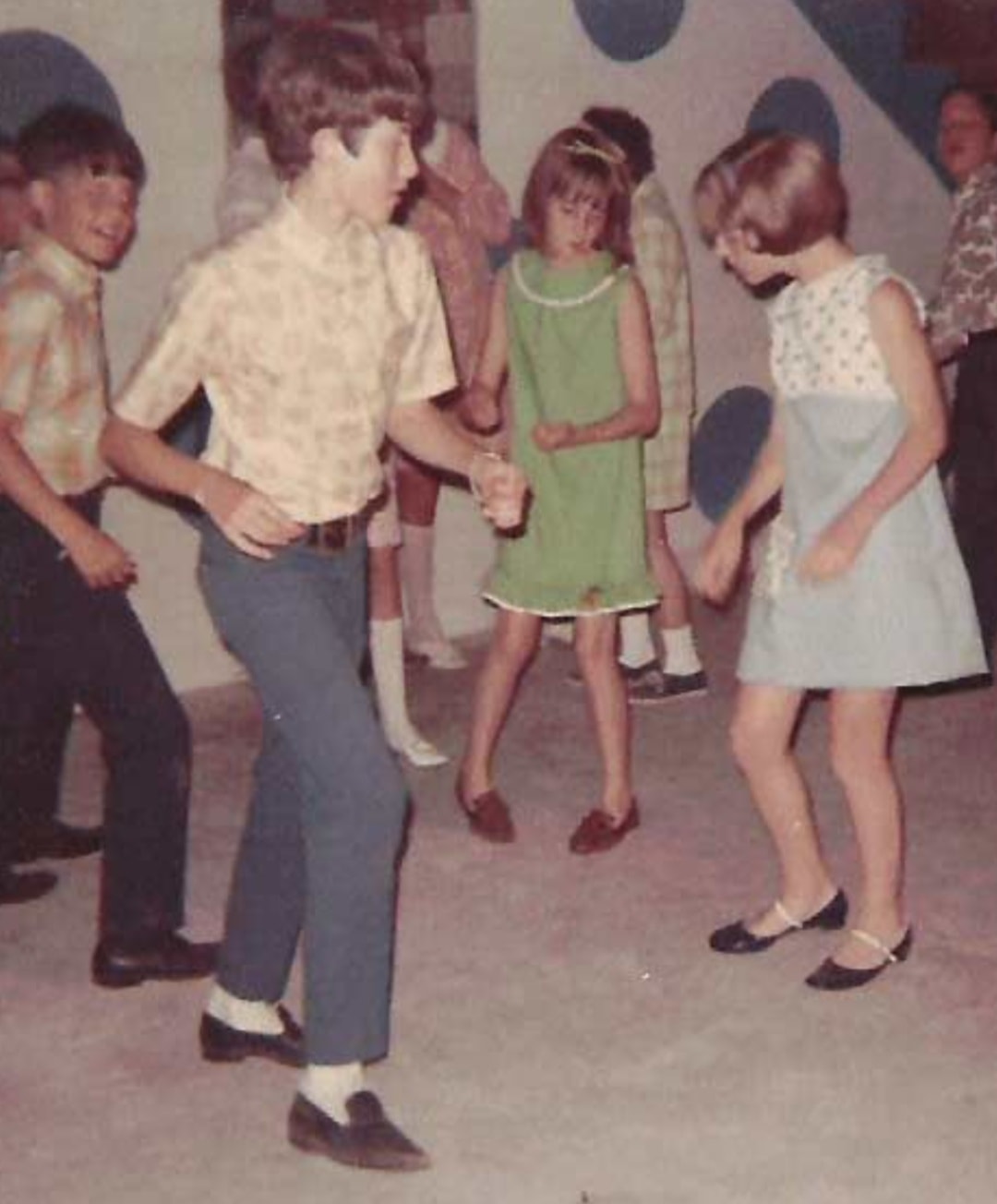
Long before mindfulness became an app, an entire generation was living its principles. We were children in a world that, by its very design, taught us to be present. We are likely the last who will ever know childhood in that particular, profound way—a childhood where attention was a gift given fully to the moment at hand, not a fractured resource to be managed. Looking back, our early years were a masterclass in living a connected, aware, and deeply human life.
Our environment demanded presence. To get anywhere, we walked. This wasn’t exercise; it was immersion. We noticed the patterns of clouds, the smell of rain on hot asphalt, the shifting light of late afternoon. Our minds weren’t filled with digital noise; they were free to wander, observe, and make connections with the physical world. This daily practice built a natural, unforced awareness of our surroundings and our place within them. We were grounded, quite literally, in the world we inhabited.

Play was our meditation. It was state of flow achieved not through isolation, but through communal creation. We didn’t follow pre-programmed quests; we invented our own. This required negotiation, empathy, and a focus so complete that hours would dissolve. When we lay in the grass to find shapes in the clouds, we were practicing a form of open-monitoring awareness. Our boredom was not something to be feared or instantly alleviated; it was the necessary space from which authentic curiosity and innovation grew. We were comfortable with stillness and with our own thoughts.
Our technology had boundaries, which protected our attention. A television could be turned off. A phone call ended. There were clear signals that separated activity from rest, connection from solitude. This created a natural rhythm to life and safeguarded the sanctity of human interaction. Conversations happened in real time, with eye contact and body language, teaching us deep listening and the subtle art of reading a room. We learned that relationships are built in the uninterrupted space between people.

Now, as adults in a saturated world, we possess a secret key. We have lived the alternative. We remember the feeling of undivided attention and the richness of a world experienced directly. This memory is not just nostalgia; it’s a blueprint. It reminds us that presence is a state we once inhabited naturally, and can cultivate again. We are the last generation to have known a universally unplugged childhood, making us crucial translators of a fading wisdom: that a fulfilling life is built not on the number of inputs, but on the depth of our engagement with the immediate, tactile, and human world right in front of us.