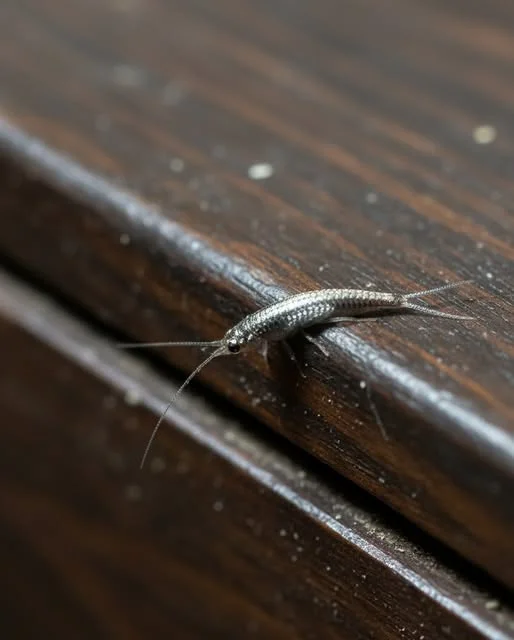
That fleeting glimpse of a silvery, darting insect in your bathroom or basement is more than just a minor nuisance. It’s a small but important message about the environment inside your home. Silverfish are not harmful to humans, but they are unmistakable indicators of conditions that can damage your belongings and attract other pests. These ancient insects thrive where there is moisture, darkness, and accessible food—meaning their presence is a clue you shouldn’t ignore. Understanding what they’re telling you is the first step to reclaiming your space.
Silverfish are nature’s clean-up crew, feeding on starches and sugars found in some surprising places. Their diet includes glue in book bindings, wallpaper paste, cardboard, paper, linen, cotton, and even dry pantry items like flour or cereal. They seek out environments with high humidity, often above 75%, which is why they are frequently found in bathrooms, damp basements, under sinks, and in kitchens. If you spot one, it’s a signal to look for excess moisture, such as from a leaking pipe, poor ventilation, or condensation buildup. They also love clutter, which provides both food and dark hiding places.
Addressing a silverfish situation doesn’t require harsh chemicals as a first step. The most effective strategy is to make your home inhospitable to them by eliminating what they need to survive. Begin by tackling moisture: use dehumidifiers in damp areas, ensure bathrooms are well-ventilated, and promptly fix any leaks. Next, remove their food sources. Store dry goods in glass or hard plastic containers with tight seals. Declutter storage areas of old newspapers, magazines, and cardboard boxes. Regular vacuuming, especially in corners and along baseboards, can remove eggs and food debris.
For persistent visitors, you can employ gentle but effective barriers. A thin layer of food-grade diatomaceous earth along baseboards and entry points can deter them, as it dehydrates their exoskeletons. Cedar oil or lavender sachets in closets and drawers may act as natural repellents. You can also create simple monitoring traps by placing a jar wrapped in tape (for traction) with a starchy bait like bread inside; they can crawl in but cannot climb out. These methods help you gauge the problem without introducing toxins into your living space.
Long-term prevention is about consistent, mindful habits. Keep your home dry and well-ventilated. Avoid storing books, documents, or clothing in damp basements or attics. Periodically inspect hidden areas behind appliances and under sinks. By maintaining a clean, dry, and uncluttered environment, you remove the invitation for silverfish to move in. Seeing one doesn’t mean your home is dirty—it means it’s hospitable in ways you can easily change. With a few adjustments, you can ensure these silvery messengers have no news to deliver.