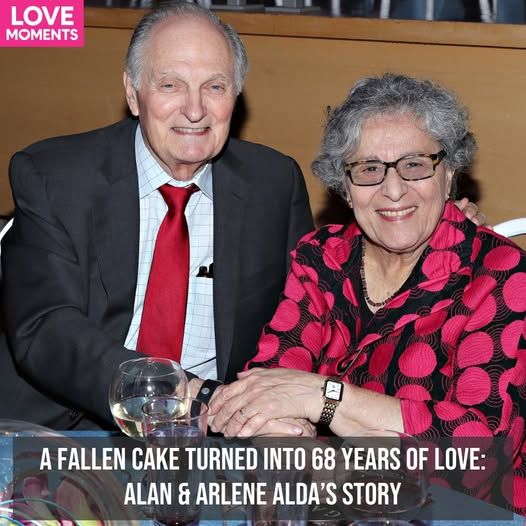
In 1956, a simple mishap at a New York dinner party laid the foundation for one of Hollywood’s most enduring marriages. A rum cake slipped from its plate and tumbled to the floor, creating a moment of potential awkwardness. Amidst the surprised guests, two people, Alan Alda and Arlene Weiss, caught each other’s eye and burst into spontaneous, genuine laughter. That shared moment of unfiltered joy broke the tension and became their private beginning. For Alan, the connection was instant and profound; he later remarked that her laugh was what truly captivated him. The fallen dessert was merely the catalyst, but the mutual sense of humor was the real binding agent, signaling a deep, compatible view of the world.

Their relationship moved swiftly, built on that initial, effortless connection. They married just months later. Arlene, a talented clarinetist, chose to step away from her musical career, not as a sacrifice, but as a conscious decision to build a life with Alan. She seamlessly reinvented herself, channeling her creativity into writing and photography, with her work eventually gracing prestigious publications. This adaptability and strength of self became a hallmark of their partnership. Meanwhile, Alan’s star began to rise, most notably with his iconic role on MASH. Despite his growing fame, the couple fiercely protected their family life, raising three daughters in a home where laughter remained the central currency.

The secret to their longevity, spanning nearly seven decades, is deceptively simple: an unwavering commitment to shared humor. Alan has often described their bond as a form of enduring “puppy love,” sustained by the ability to find joy in everyday moments. Their laughter was never just for the good times; it became a vital tool for resilience. They faced the universal challenges of parenting, aging, and the pressures of public life, always using humor as a lens to soften difficulties and maintain perspective. It was the glue that prevented routine from stagnating their connection.
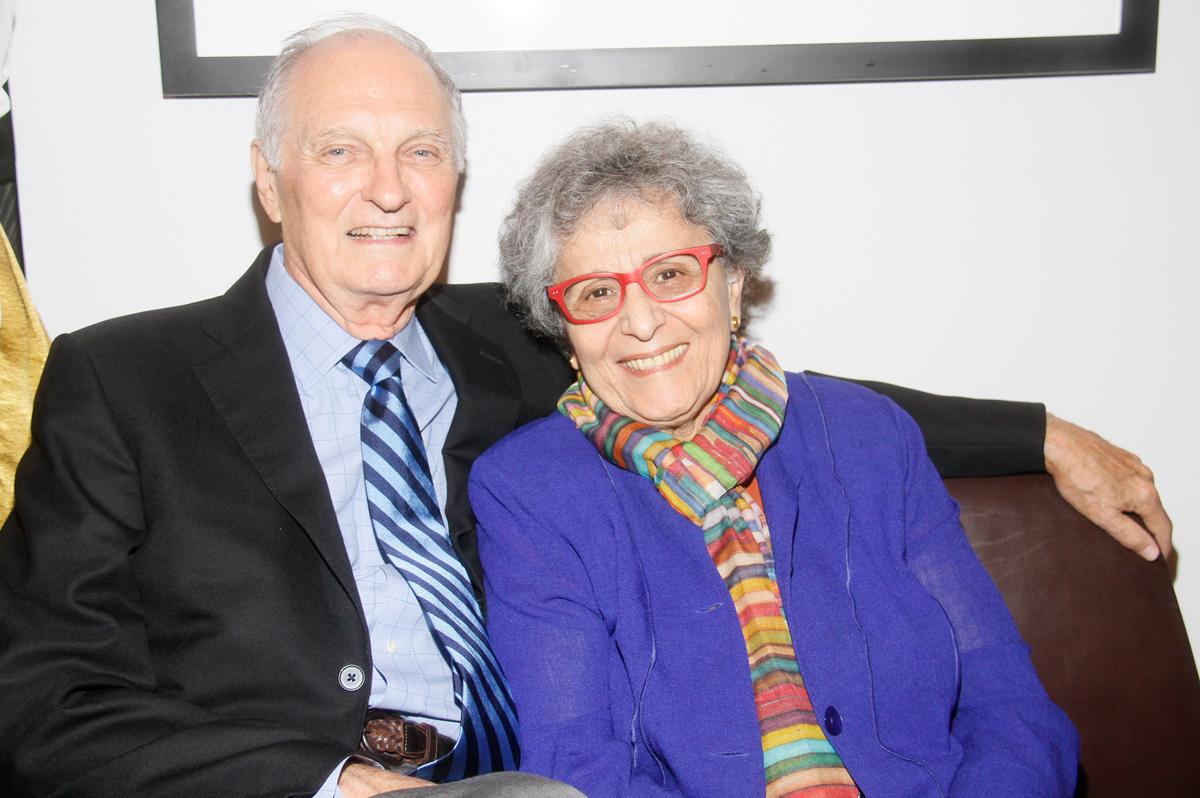
This foundation proved its strength when Alan was diagnosed with Parkinson’s disease. Facing a daunting health challenge, they did not abandon their core principle. They confronted the reality with courage, but also with their signature lightness, refusing to let the disease steal their joy. Their laughter became a shield, a private language of support and normalcy in the face of adversity. It was a powerful demonstration that their bond was built not on perfect circumstances, but on a shared spirit that could withstand life’s hardest blows.
Today, Alan and Arlene Alda stand as a testament to a love built on mutual respect, adaptability, and, above all, laughter. Their story isn’t about grand romantic gestures, but about the cumulative power of countless small moments of shared joy. It offers a timeless lesson: that a compatible sense of humor is more than just entertainment; it is a profound form of intimacy, a resilient force that can forge a connection strong enough to last a lifetime, from a spilled cake to facing life’s toughest chapters together.