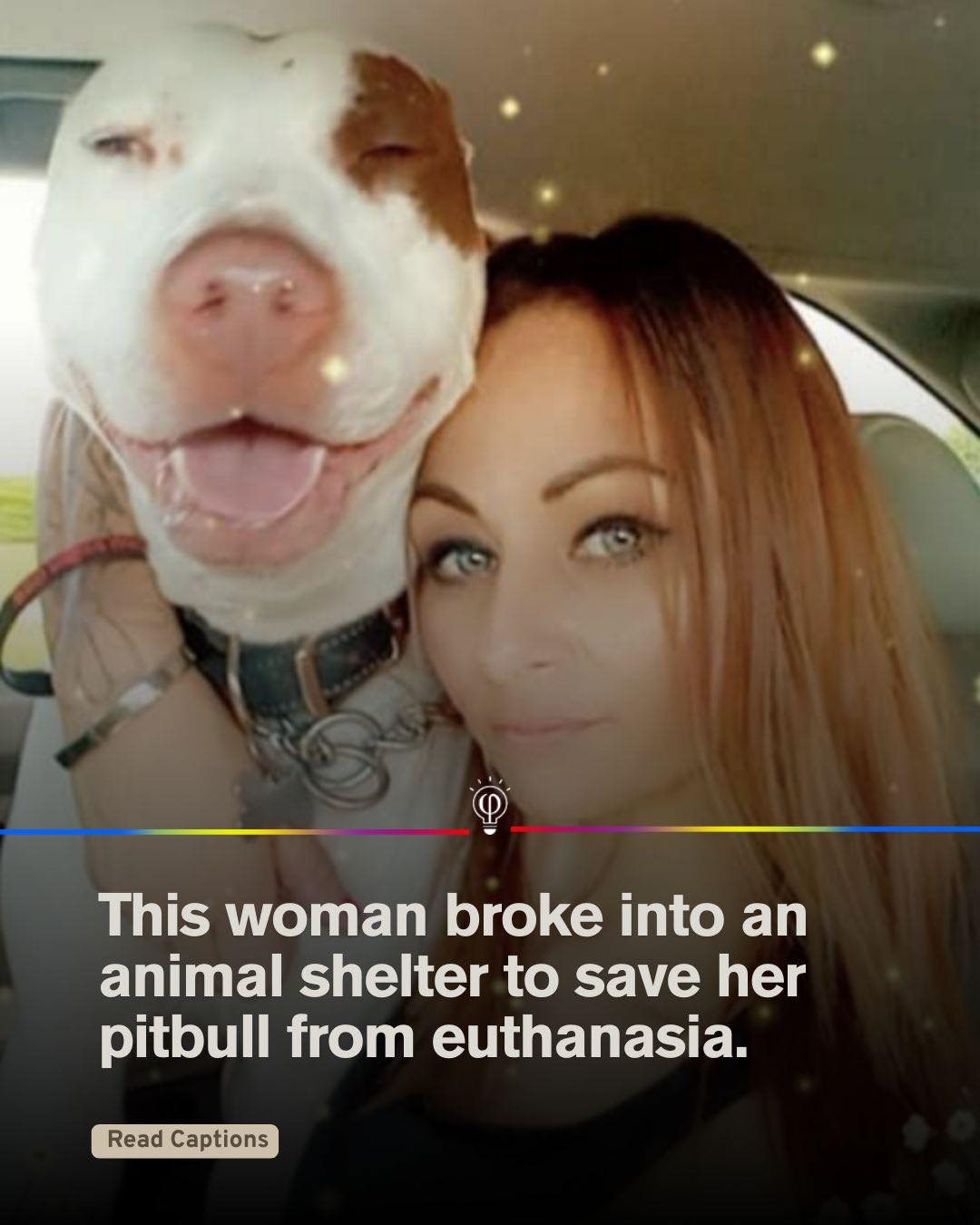
The bond between Toya Stewart and her pit bull, Hazel, was built on years of quiet companionship. Hazel was a couch companion, a gentle presence, and a trusted friend. So, when the animal shelter classified her as a dangerous dog slated for euthanasia, the ruling felt like a betrayal of truth. The decision wasn’t based on Hazel’s behavior, but on a pervasive breed stigma that paints all pit bulls with a broad, fearful brush. Toya’s subsequent decision to break Hazel out of the shelter has ignited a crucial ethical debate at the heart of animal welfare.

For Toya, the shelter’s process felt like a foregone conclusion. Her appeals, backed by evidence of Hazel’s temperament, were dismissed. The system saw a breed first, and an individual dog second. This experience is tragically common, a result of breed-specific legislation (BSL) and deep-rooted bias that lead to the euthanasia of countless stable, adoptable animals. Faced with the imminent loss of her dog, Toya entered a moral gray area. Her love for Hazel collided with societal law, forcing an impossible choice between passive acceptance and direct action.

The rescue itself was a tense, solitary mission. Under darkness, Toya’s world narrowed to one objective: reach Hazel. The act of removing her dog from state custody was a raw, emotional rebuttal to a clinical death sentence. In that moment, the abstract concepts of legality and policy were overwhelmed by the tangible reality of saving a life. This dramatic event poses a fundamental question to the animal welfare community: when existing protocols perpetuate injustice, does moral duty ever demand extraordinary measures?
Public reaction to the story has been a mirror to society’s conflicted views on animals. Many empathized deeply, seeing Toya’s actions as a justified defense of a family member. Others, including some in animal welfare, expressed concern that such defiance could undermine shelter operations and the rule of law designed, however imperfectly, to protect public safety. This tension lies at the core of modern advocacy—how to reform broken systems from within while honoring the urgent, personal bonds those systems often disregard.

Hazel’s story continues beyond her rescue. She is living proof of what is lost when bias dictates fate. For animal advocates, this incident is a stark case study. It underscores the urgent need to move away from breed-based policies and toward behavior-based assessments, and it challenges the community to support owners before they feel driven to such desperate ends. The ultimate goal is a world where no loving owner is forced to choose between their pet’s life and the law, because the system itself is rooted in compassion and individual evaluation.