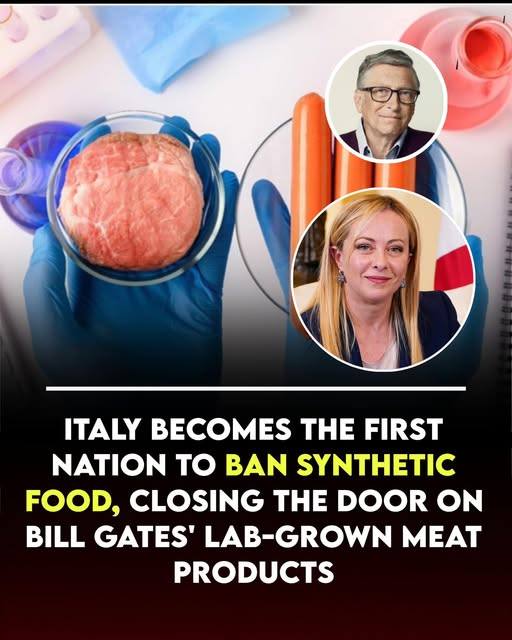
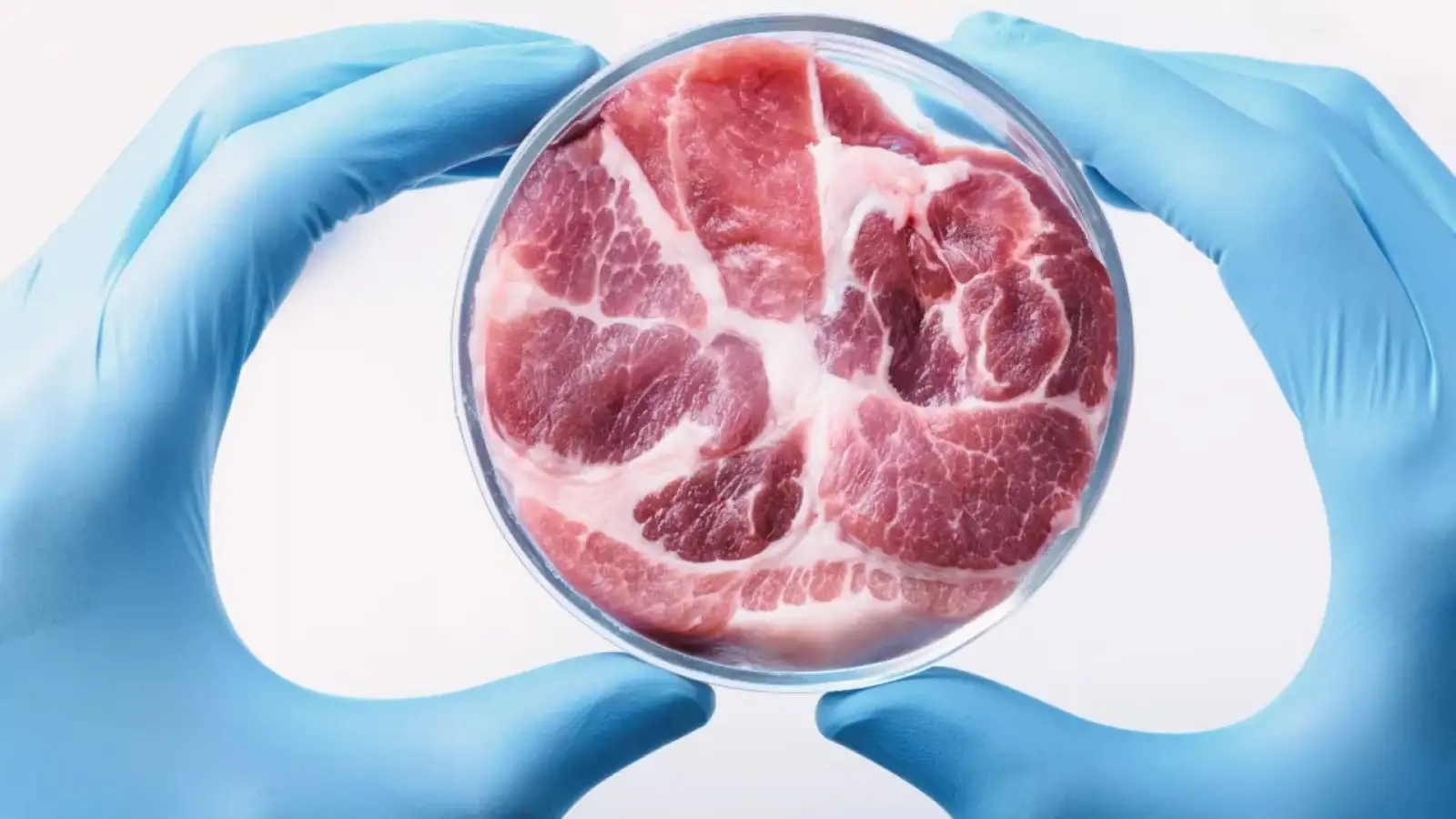
In a move that reverberated through the agricultural and tech worlds, Italy has officially banned lab-grown meat, setting a global precedent. The legislation specifically targets food products created by cultivating animal cells in bioreactors, a process distinct from plant-based alternatives. This bold policy positions Italy at the forefront of a cultural and economic clash, framing the debate as a choice between preserving a millennia-old food heritage and embracing a high-tech solution to modern environmental and ethical dilemmas.
Central to Italy’s decision is an unwavering commitment to its farmers and its culinary legacy. The government posits that the value of Italian food lies in its profound connection to specific regions, breeds, and time-honored methods—a concept often summarized as terroir. Introducing meat produced in sterile laboratories is viewed as anathema to this philosophy, potentially undermining consumer trust and devaluing the work of local producers. The ban is, therefore, a protective shield for an entire economic and cultural sector seen as fundamental to the national identity, asserting that true quality and sustainability are found in traditional, transparent supply chains.
The law also reflects profound skepticism about the unknown. Italian lawmakers have highlighted the absence of long-term data on the health effects of consuming cell-cultured meat. Without definitive European safety approval, the country has chosen a path of extreme caution, prioritizing consumer protection over rapid technological adoption. This stance is intertwined with the principle of food sovereignty, advocating for democratic control over food policy and resistance to having dietary futures shaped by distant corporate laboratories.
The international reaction has been sharply divided. Environmental and animal welfare advocates condemn the ban as a shortsighted obstruction of progress, noting cultivated meat’s potential to drastically reduce the ecological footprint of protein production and end industrial animal farming. Biotechnology companies see a major European market suddenly closed. Legally, the ban may face scrutiny under European Union single-market rules. Italy’s stand has undeniably altered the global landscape, forcing every nation to more clearly define its position. Whether it is seen as a regressive step or a courageous defense of tradition, Italy has ensured that the conversation about the future of food will now grapple seriously with the weight of the past.