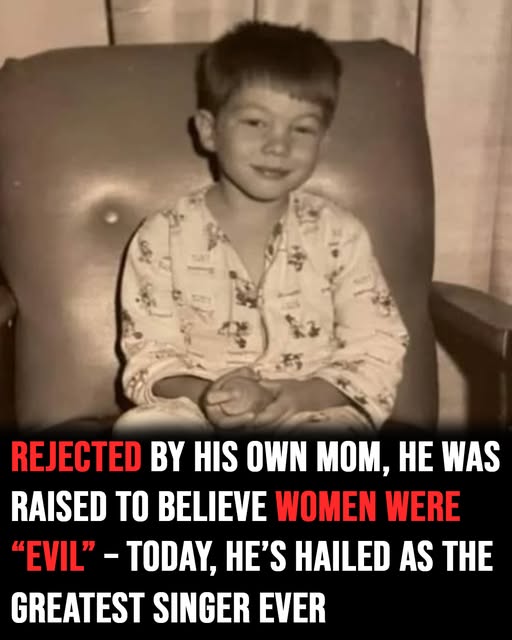
Some of the most powerful voices in history are not born from privilege, but from pain. This is certainly true for the boy born William Bruce Bailey in a small Indiana town, who would one day become Axl Rose, the incendiary frontman of Guns N’ Roses. His story is not a simple rags-to-riches tale; it is a narrative of survival, where the trauma of a stifling and abusive childhood became the raw fuel for a generational talent. The strict Pentecostal household he was raised in viewed the outside world as inherently evil, a belief system that created a pressure cooker of repression. That pressure, ultimately, would explode onto the world’s stage.

His early life was marked by profound instability and hardship. He believed his stepfather was his biological father until the truth emerged in his late teens. The home was ruled by a rigid, abusive stepfather, and the young boy felt profoundly betrayed by a mother who he says stood by and allowed the mistreatment. School offered little respite, where his dreams of stardom were met with bullying and ridicule. This perfect storm of alienation and anger sent him down a troubled path, resulting in numerous arrests before he made a definitive break for Los Angeles at age 20. He was running from Indiana, but he was also running toward something: a destiny he had fiercely believed in since childhood.
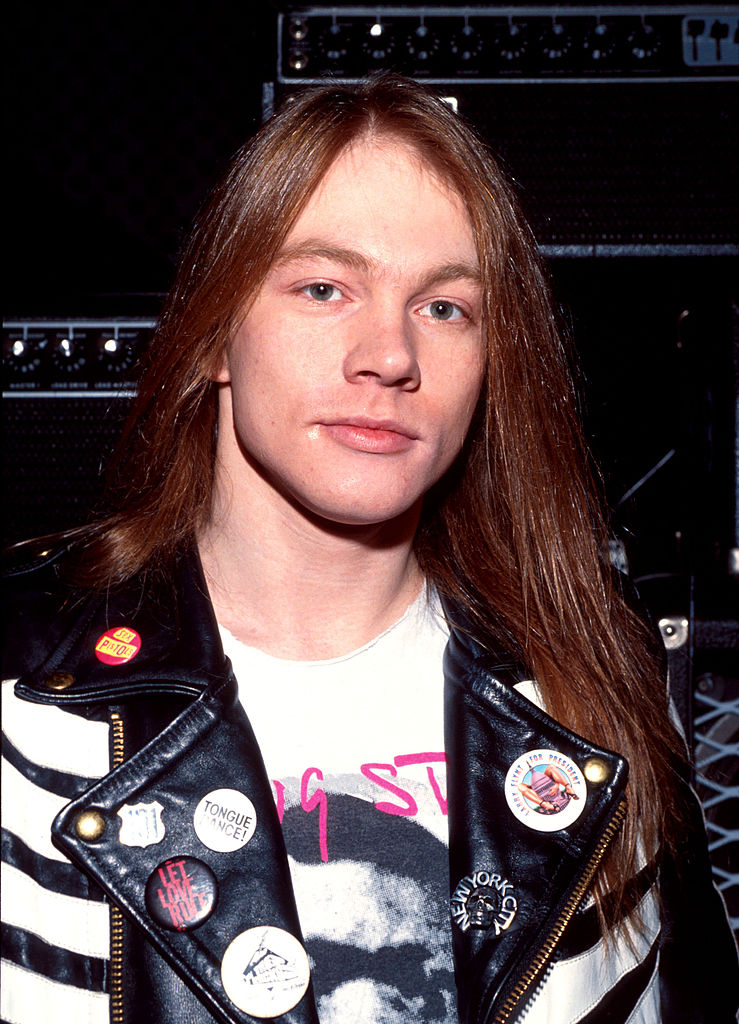
Los Angeles in the early 80s was the ideal canvas for his rebellion. He shed his given name, legally adopting W. Axl Rose, a moniker that marked his rebirth. The band he co-founded, Guns N’ Roses, was a Molotov cocktail of raw talent and unchecked ambition, perfectly mirroring his own internal chaos. Their 1987 debut, Appetite for Destruction, did exactly that—it demolished the polished pop-rock of the era. With his otherworldly vocal range, from a snarling rasp to a haunting falsetto, and a feral, unpredictable stage presence, Axl became an instant icon. The album’s success was meteoric, becoming the best-selling debut in U.S. history. The pain of Lafayette, Indiana, had been transmuted into anthems like “Welcome to the Jungle” and “Sweet Child o’ Mine.”

Yet, the very demons that fueled his artistry also threatened to consume it. Fame amplified his volatility. The late 80s and 90s were a blur of legendary concerts punctuated by infamous meltdowns, band turmoil, and personal strife. His tumultuous marriage to model Erin Everly ended in annulment and allegations of abuse, adding another layer of darkness to his public persona. He was a paradox: a perfectionist who could bring a show to a halt over a single note, and a wounded individual who sought therapy to untangle the “twisted mental circuitry” formed in Indiana. He turned his life into a high-wire act, with the world watching every tense, brilliant step.
View this post on Instagram
Today, Axl Rose’s legacy is cemented as one of rock’s greatest and most complex figures. His journey from a boy taught that everything was evil to a global rock legend is a testament to an unbreakable, if fractured, will. He channeled a lifetime of rejection and rage into a voice that defined an era, proving that the brightest stars are sometimes born in the darkest of circumstances. His story remains a powerful, cautionary, and ultimately triumphant saga of art forged in the fires of personal hell.