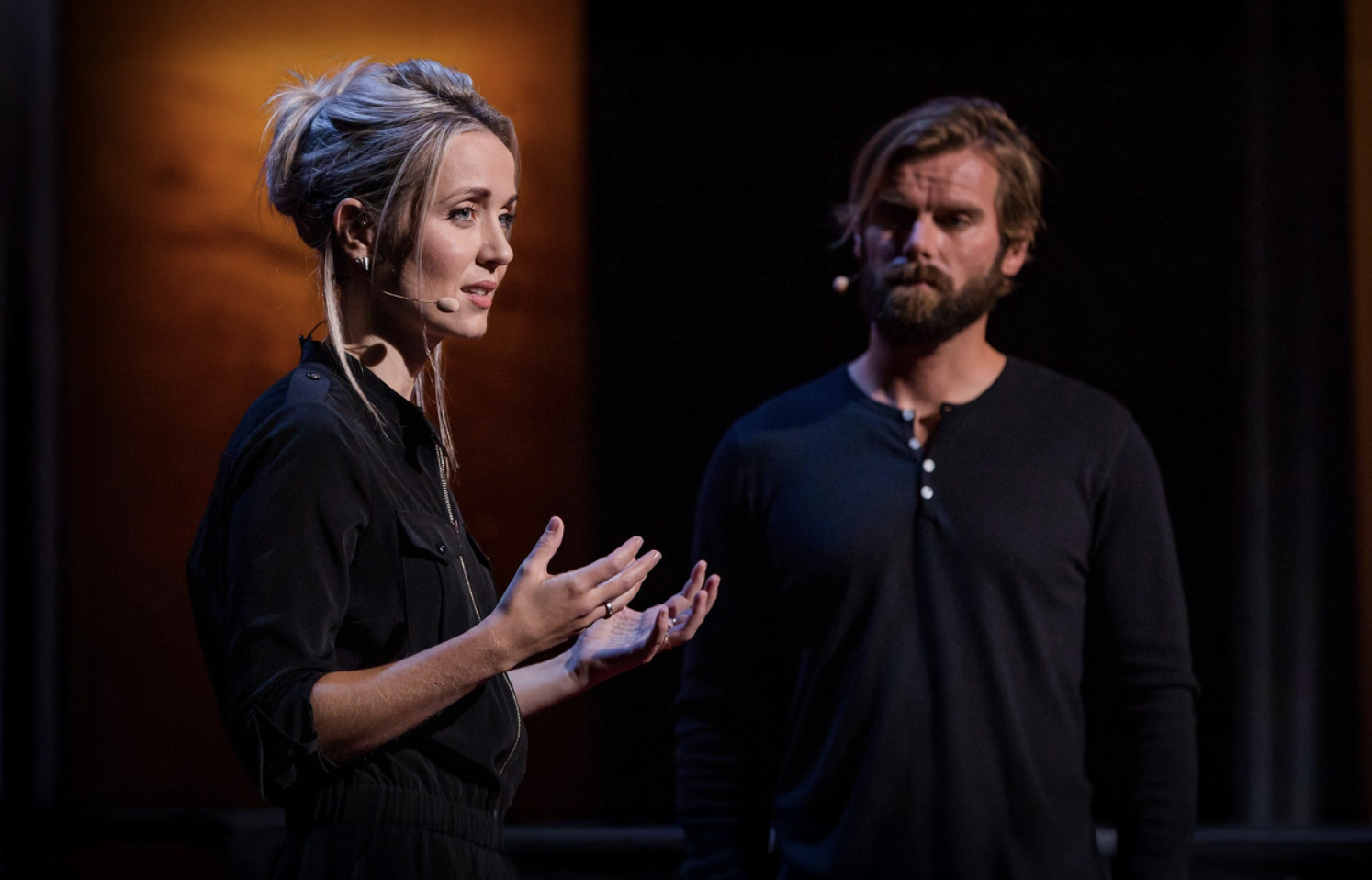
It is a scene few can imagine: a survivor of sexual assault and the person who assaulted her, standing together on a public stage. Thordis Elva and Tom Stranger shared this space not to provide a blueprint for reconciliation, but to engage in a raw, unprecedented conversation about a night that shattered both their lives when they were teenagers. Their joint appearance, years after the assault, was not an act of absolution, but a deliberate step into the harsh light of accountability and painful truth. They made it clear their path is not a model, but a single, complex story about the long aftermath of violence and the difficult search for clarity.

Thordis was sixteen, and Tom was eighteen and her boyfriend, when he raped her. For years, she carried the burden in silence, wrestling with misplaced guilt and self-blame, internalizing societal questions about her clothing, her actions, her very being. It took her nearly a decade to fully reclaim the narrative: the fault lay solely with the person who chose to commit the harm. She speaks now, acknowledging it as a privilege many survivors are denied, and feels a responsibility to use her voice to challenge the silence that so often surrounds sexual violence.

Tom’s journey was one of prolonged evasion. He spent years refusing to name his actions truthfully, hiding behind denial and constructing a self-image of a “good person” that could not coexist with the reality of what he had done. His turning point came with the difficult admission that his actions stemmed from a deep-seated sense of entitlement and harmful notions of masculinity. He emphasizes that these cultural influences are explanations, not excuses, and that true accountability begins with the unambiguous acknowledgment of the harm he chose to inflict.
Their communication began nine years after the assault with a letter from Thordis, a cathartic outpouring of her pain. Tom’s response, to her surprise, was one of clear responsibility and remorse. This began an eight-year written dialogue, a slow and careful exchange that eventually led to a face-to-face meeting in South Africa. That meeting was not about closure in a simple sense, but about confronting the reality of their shared history with open eyes, allowing for a processing that letters alone could not complete.

Their story, detailed in a co-authored book, resists easy labels. It is not a story of forgiveness as erasure, nor of accountability as mere punishment. It is, instead, a testament to the painful, messy work of facing the full truth of harm—both for the one who endured it and the one who caused it. They stand together not as friends, but as two people forever linked by a traumatic event, using their shared platform to advocate for honest conversations, especially about male responsibility, in the hope that their difficult dialogue might make it easier for others to speak, to listen, and to understand.