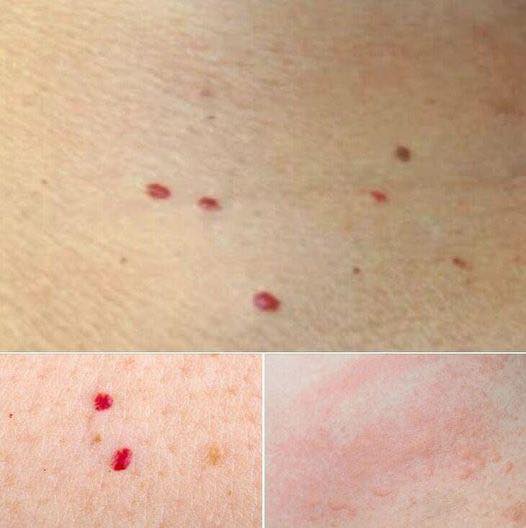
Noticing a red spot appear on your skin can be a moment of instant concern. Is it a simple irritation, a sign of infection, or something more? The reality is that red spots have a wide range of causes, from temporary and harmless to chronic conditions requiring management. Understanding the possibilities can help you identify when to simply monitor a change and when to seek professional advice. The appearance of these spots can also vary across different skin tones, making it important to know your own skin’s patterns. Gaining knowledge about these common causes is the first step toward clearer, healthier skin.
One of the most frequent culprits, especially in hot weather or after intense exercise, is heat rash. Known medically as miliaria, this occurs when sweat ducts become blocked, trapping sweat beneath the skin. The result is a cluster of small, itchy, or prickly red bumps, often found in skin folds, on the chest, back, or underarms. The best treatment is to cool the skin down with loose clothing, cool baths, and by avoiding heavy creams that can further block pores. While it typically fades quickly, keep an eye out for signs of infection like pus or increased pain, which would require a doctor’s visit.
Skin growths are another common source of red spots. Cherry angiomas are small, bright red or purple bumps that often appear on the torso as we age. They are completely benign and not a sign of skin cancer, though they can sometimes bleed if scratched or nicked. They require no treatment, but if their appearance bothers you, a dermatologist can easily remove them. On the other hand, spots known as petechiae are tiny, flat red dots that look like a rash. These are caused by tiny broken blood vessels and can be a symptom of various conditions, from a simple straining cough to more serious infections. A sudden outbreak, especially with a fever, warrants a prompt call to your healthcare provider.
Many red spots are linked to skin’s reactions. Contact dermatitis is an itchy, red rash that appears when your skin touches an irritant, like harsh soap, or an allergen, like nickel or certain fragrances. The key is identifying and avoiding the trigger. Eczema, or atopic dermatitis, is a chronic condition causing dry, itchy, inflamed patches, often in the creases of elbows or knees. It involves careful skin care with gentle moisturizers and sometimes prescription creams. Another reactive cause is a drug rash, which can appear as a widespread reaction to a new medication and requires immediate medical evaluation, as it can sometimes be severe.
Infections and immune responses also play a major role. Fungal infections like ringworm cause a characteristic ring-shaped, scaly red rash. It’s contagious but treatable with antifungal creams. Conditions like psoriasis and lichen planus are driven by the immune system, leading to thick, scaly plaques or flat, itchy purple spots, respectively. These require a dermatologist’s diagnosis and a long-term management plan. Finally, common acne causes red, inflamed pimples due to clogged pores and bacteria. While mild cases can be managed over-the-counter, persistent or painful cystic acne needs professional treatment. The bottom line is this: any new, changing, or concerning red spot should be evaluated by a doctor to ensure an accurate diagnosis and the right path to clear skin.