Long before the bright lights of Nashville and the fame that followed, Reba McEntire’s world was one of dust, hard work, and the wide-open spaces of her family’s Oklahoma ranch. Her story begins not on a stage, but in the driver’s seat of her father’s truck, where as a small child she had to sit on a grain sack just to see over the steering wheel. This was a life where responsibility came early, and the value of perseverance was not just taught but lived every single day. The lessons she learned on that ranch would become the unshakable foundation for a career filled with both incredible highs and devastating lows.
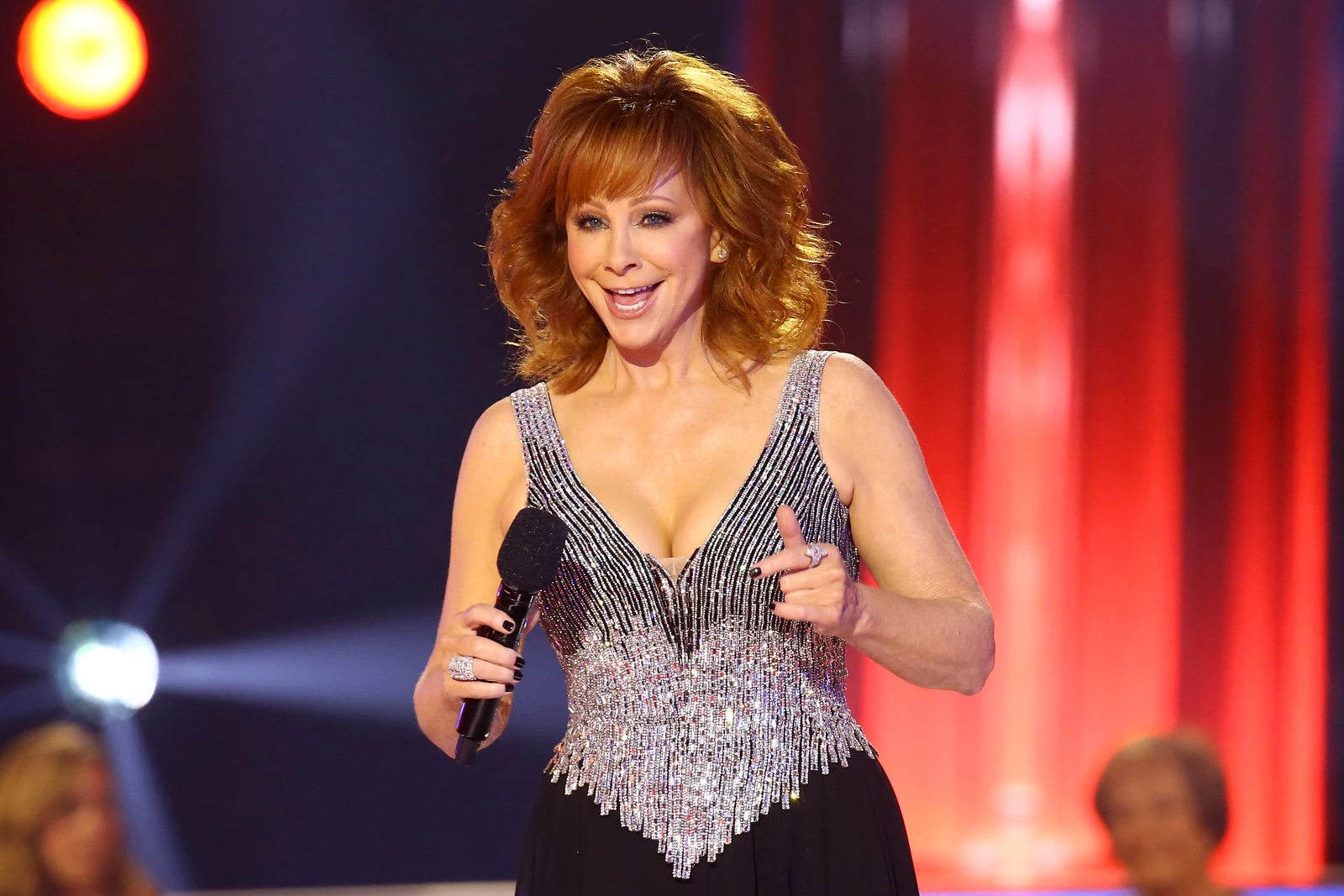
Her family was rodeo royalty. Her grandfather and father were champion steer ropers, and the discipline required for that dangerous sport shaped her upbringing. Her father, Clark, was a man of few words and high expectations, creating an environment where praise was rare but hard work was constant. Yet, within their modest two-bedroom home, filled with her siblings Alice, Pake, and Susie, there was a different kind of warmth. It was their mother, Jacqueline, who brought music into their lives, filling long drives between rodeo arenas with song and nurturing the talent she saw in her children.
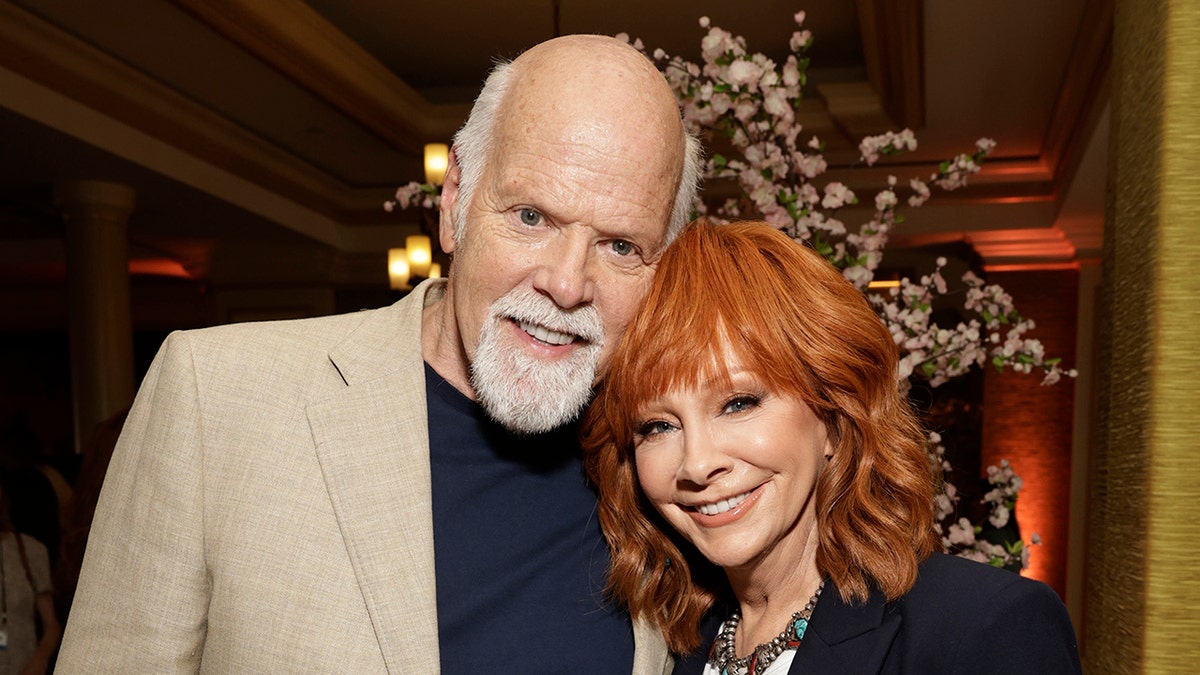
This maternal encouragement sparked a fire. Reba, along with her siblings, formed The Singing McEntires, honing their harmonies around the kitchen table under their mother’s guidance. They performed at local talent shows and school events, but the path to stardom seemed a world away from their rural life. The turning point arrived unexpectedly in 1974, when Reba’s powerful rendition of the national anthem at the National Finals Rodeo caught the ear of country star Red Steagall. This single moment was the catalyst that propelled the young woman from Oklahoma toward her destiny in Nashville.

The resilience bred on the ranch would be tested time and again in the music industry. She faced the typical struggles of a new artist, but nothing compared to the profound personal tragedy of 1991, when a plane crash took the lives of seven members of her band. In the depths of that grief, she did what she had always done: she worked. She channeled her heartbreak into the album “For My Broken Heart,” a raw and hauntingly beautiful project that resonated deeply with millions of fans, proving her ability to transform pain into art.
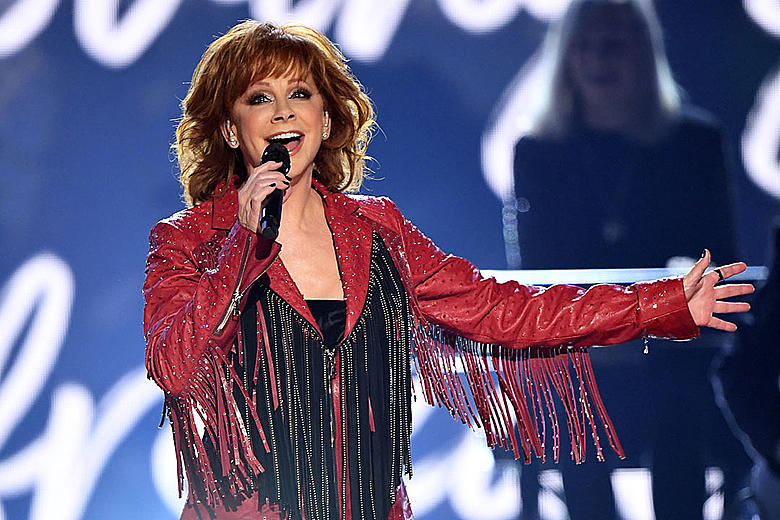
Today, with over 90 million records sold and a legacy that spans music, television, and film, Reba McEntire has never forgotten her roots. She remains deeply connected to Oklahoma, a testament to the idea that you can take the girl out of the ranch, but you can’t take the ranch out of the girl. Her life is a powerful reminder that the most spectacular success stories often begin not with privilege, but with grit, faith, and a voice strong enough to carry from a dusty field to the world’s biggest stages.