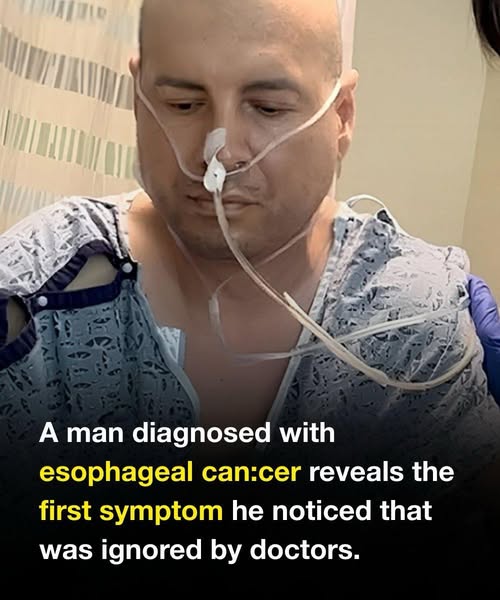
Mark Sevillano Jr. was the picture of health dedication. At 41, he had rebuilt his life after a difficult divorce, committing to a rigorous fitness routine and a mindful diet. He was, by all accounts, doing everything right. But beneath the surface of this healthy new chapter, his body was sending a quiet, persistent signal that something was wrong. It began subtly, as a slight difficulty swallowing that he dismissed as routine indigestion. This small, easily ignored symptom was the beginning of a life-altering journey that holds a vital lesson for us all.
Like many people, Mark initially brushed off the feeling, assuming it was acid reflux or a minor irritation. A glass of water would usually help, and he would carry on with his day. However, over the following weeks and months, the sensation worsened. Soft foods became a challenge, and mealtimes, once a joyful part of family life, became sources of anxiety. He began to lose weight—a change he initially celebrated as a success of his healthy lifestyle, not recognizing it as a red flag from his body.
When Mark finally consulted his doctor, his concerns were met with a lack of urgency. As a young, active man, he didn’t fit the typical profile for a serious condition, and his symptoms were initially downplayed. This delay in action is a critical point in his story. It underscores a common medical challenge: when a patient’s presentation doesn’t match expectations, their concerns can be minimized. Trusting his instincts, Mark knew something was seriously wrong, leading him to seek emergency care when the pain became unbearable.
The diagnosis was a shock that redefined his world: esophageal cancer. The weight loss was not a sign of health, but a symptom of disease. The swift and complex surgery that followed removed a significant portion of his esophagus and the tumor. His recovery involved grueling chemotherapy, a testament to his resilience and his determination to be there for his children. The financial and emotional toll of his treatment was immense, highlighting the critical importance of having robust health coverage and a strong support system.
Mark’s story is ultimately one of hope and caution. Now in remission, he carries a powerful message: you are the foremost expert on your own body. Do not ignore its whispers, for they can become shouts. Whether you are young or old, your health vigilance is your greatest asset. His experience is a compelling reminder that proactive care, persistence with medical professionals, and listening to our own bodies are not just recommendations—they are essential practices that can save lives.