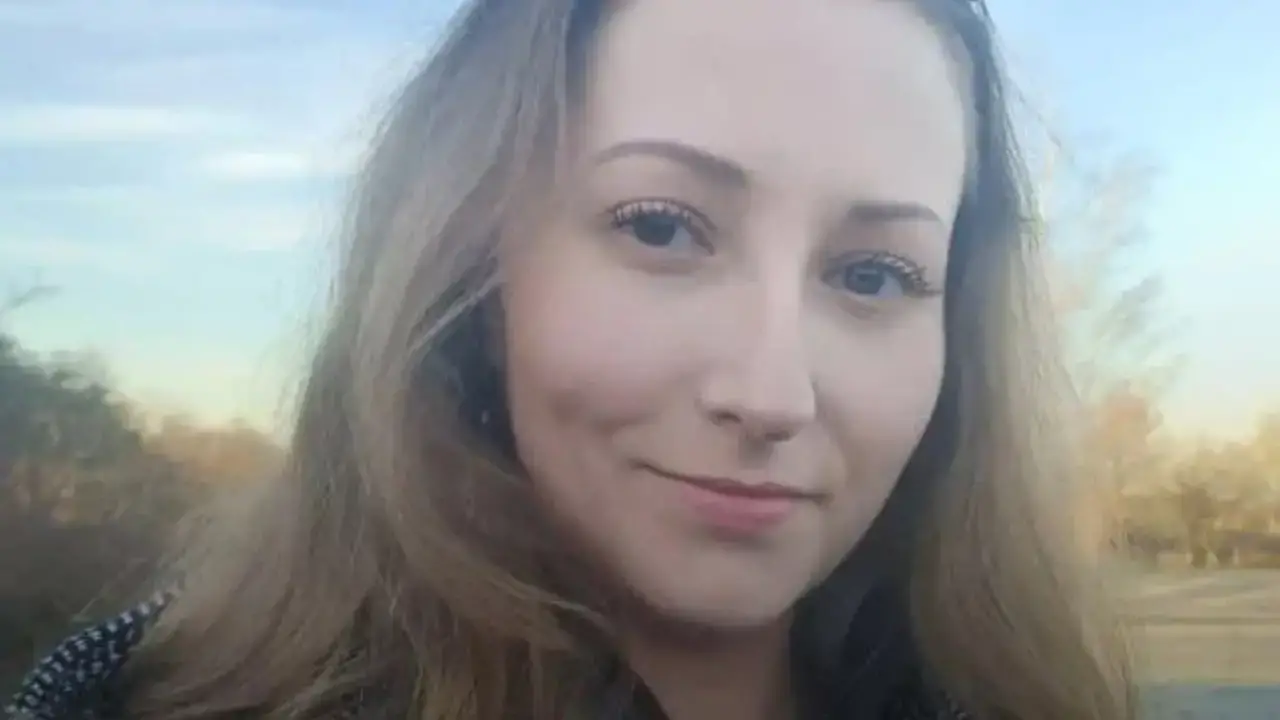
Imagine a life where every day is a battle against your own mind. For Zoraya ter Beek, a 29-year-old from a quaint Dutch village, this was not an imagination but her reality. On the surface, she appeared to be a healthy young woman with her whole life ahead of her. But beneath that surface, Zoraya was navigating a complex and debilitating world of mental health disorders, including autism, depression, and borderline personality disorder. After years of fighting a war within herself, she made a choice that would spark a global conversation: she decided to seek euthanasia.

Zoraya’s journey was not taken lightly. It was the culmination of a long and exhausting struggle with a healthcare system that eventually had little left to offer. She spoke of reaching a point where her psychiatrist confirmed her own bleak outlook: her condition was not going to get better. This professional acknowledgment was, for her, both a devastating and a clarifying moment. It solidified her belief that she had exhausted all avenues and that continuing to live meant consenting to a future of unrelenting suffering. Her choice was rooted in a desire for dignity and an end to pain.

In the Netherlands, the law provided a path for her decision. The country’s euthanasia legislation, one of the most progressive in the world, considers unbearable and hopeless suffering, even of a psychiatric nature, as a potential grounds for a legal, assisted death. Zoraya’s case is part of a growing number in the country where individuals with severe, treatment-resistant mental illnesses are making this same choice. This shift raises poignant questions for society and the medical community about how we value quality of life and where we draw the boundaries of compassion.

In her final days, Zoraya planned her departure with a quiet, sober precision that reflected her desire for a gentle exit. She wanted to be on her own couch, surrounded by the comfort of her home. She even arranged to be cremated to spare her partner the ongoing duty of visiting a gravesite. She visualized the procedure not as a frightening medical event, but as a calm and respectful process, comparing it to falling into a “nice nap.” She acknowledged the fear of what comes next, but ultimately saw death not as a journey to somewhere, but as a final, peaceful release from a life that had become too heavy to bear.

The public reaction to Zoraya’s story was deeply divided, mirroring the complex feelings the topic evokes. Many people expressed support, affirming her right to choose a peaceful end over a life of torment. Others were heartbroken, viewing her death as a tragic loss that could have been prevented. Zoraya’s story forces us to sit with a difficult truth: that suffering is not always visible, and that for some, the most courageous act is to decide when they have had enough. Her legacy is a challenge to our understanding of life, choice, and the right to a peaceful end.