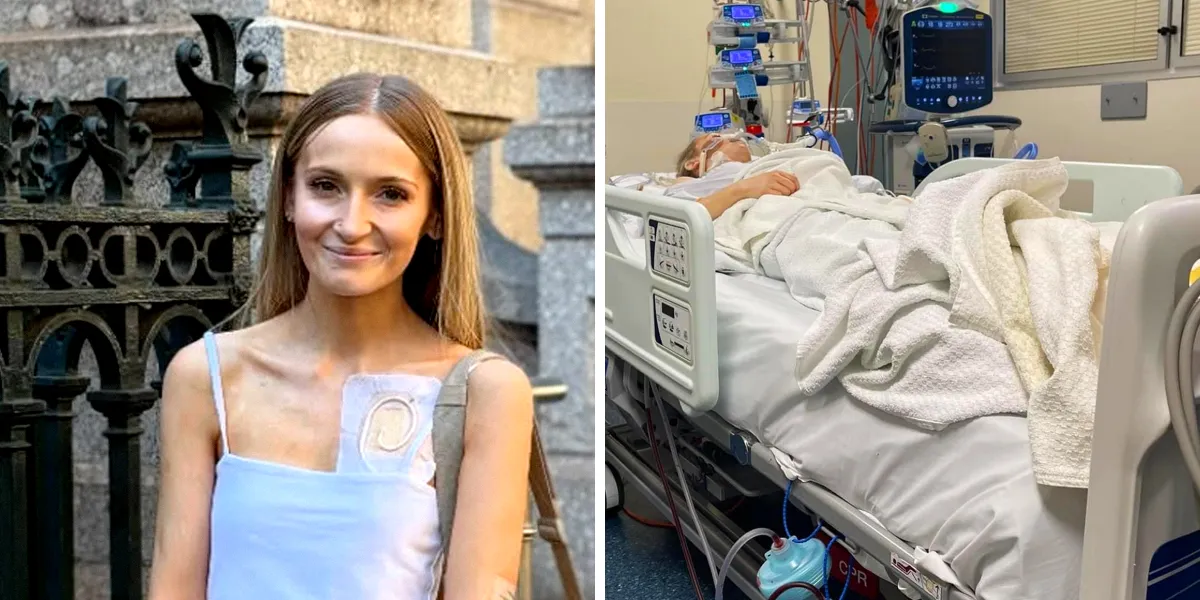
At twenty-five, most people are building the foundations of their adult lives, but Annaliese “Annie” Holland is preparing for her death. After a lifetime of battling a rare and debilitating illness, the young Australian woman has been approved for voluntary assisted dying, a decision she describes not as one of despair, but of profound relief. Her story illuminates the complex and deeply personal realities behind end-of-life choices, revealing the struggle for autonomy in the face of an unrelenting body.
View this post on Instagram
Annie’s medical journey began in her early teens, initially misdiagnosed with endometriosis. It was only later that she received the correct, devastating diagnosis: Autoimmune Autonomic Ganglionopathy (AAG). This rare condition attacks the body’s autonomic nervous system, the autopilot that controls heart rate, blood pressure, and digestion. For Annie, this meant her body was fundamentally failing her. The treatments themselves became a source of further agony, with high-dose steroids causing severe osteoporosis that led to a fractured spine and brittle bones that broke from the slightest pressure.
View this post on Instagram
Her survival now depends on total parenteral nutrition (TPN), which feeds her directly through a vein. This lifeline is also a source of constant danger, having caused 25 separate sepsis infections. She lives with the knowledge that the current line is her last viable access point; if it fails, she will die of malnutrition. “I don’t want to die of starvation,” Annie shared, highlighting the brutal reality that her choice is a preemptive measure against an even more traumatic end. This is not a hypothetical fear, but the imminent trajectory of her disease.
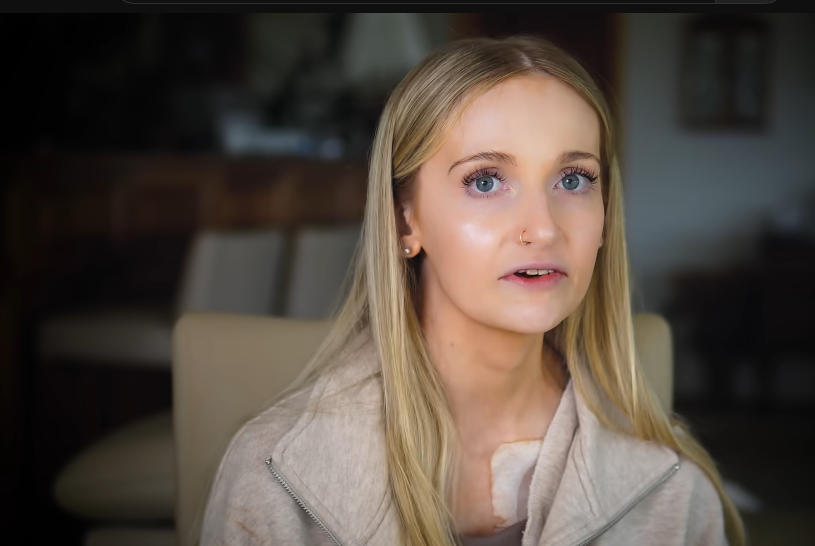
Despite the overwhelming nature of her illness, Annie’s spirit remains focused on living. She has created a bucket list that includes moving into her own apartment, seeing Lady Gaga in concert, and even trying on a wedding dress—simple experiences that her condition has denied her. Her decision to pursue an assisted death is intertwined with this desire to live on her own terms, to reclaim a sense of control after years of being powerless against her failing body. It is a choice that allows her to appreciate her remaining time without the constant, paralyzing anxiety of what her next medical crisis will bring.
View this post on Instagram
The decision is deeply emotional for her family, particularly her father, who struggled to accept it until a harrowing hospital stay where Annie pleaded, “Dad, please let me go.” Her perspective was shaped by the peaceful passing of her best friend, Lily, who also chose assisted dying. By holding her friend’s hand during the process, Annie witnessed the dignity and calm that she now seeks for herself. Her story is a powerful plea for understanding, challenging society to see voluntary assisted dying not as surrender, but as a final, courageous act of self-determination in the face of unbearable and untreatable suffering.