We often don’t recognize our greatest blessings until we have shattered them with our own hands. My name is Raj, and I destroyed my family because I confused loyalty with obedience. I believed that being a good son meant always siding with my mother, Sharda, against my wife, Anita. I told myself it was about respect for elders, about tradition. But it was really about taking the path of least resistance, and the price was everything that truly mattered.
Anita entered my life as a vibrant, hopeful woman. She left her world for mine, a sacrifice I accepted as my due. My mother, a woman who wielded her sacrifices like a weapon, never fully accepted her. I was the man in the middle, and I chose the side that shouted the loudest. When our son was born, the conflicts intensified. I watched my mother belittle Anita’s parenting, and I did nothing. I told my wife to “endure a little,” not realizing I was asking her to endure the slow erosion of her spirit.
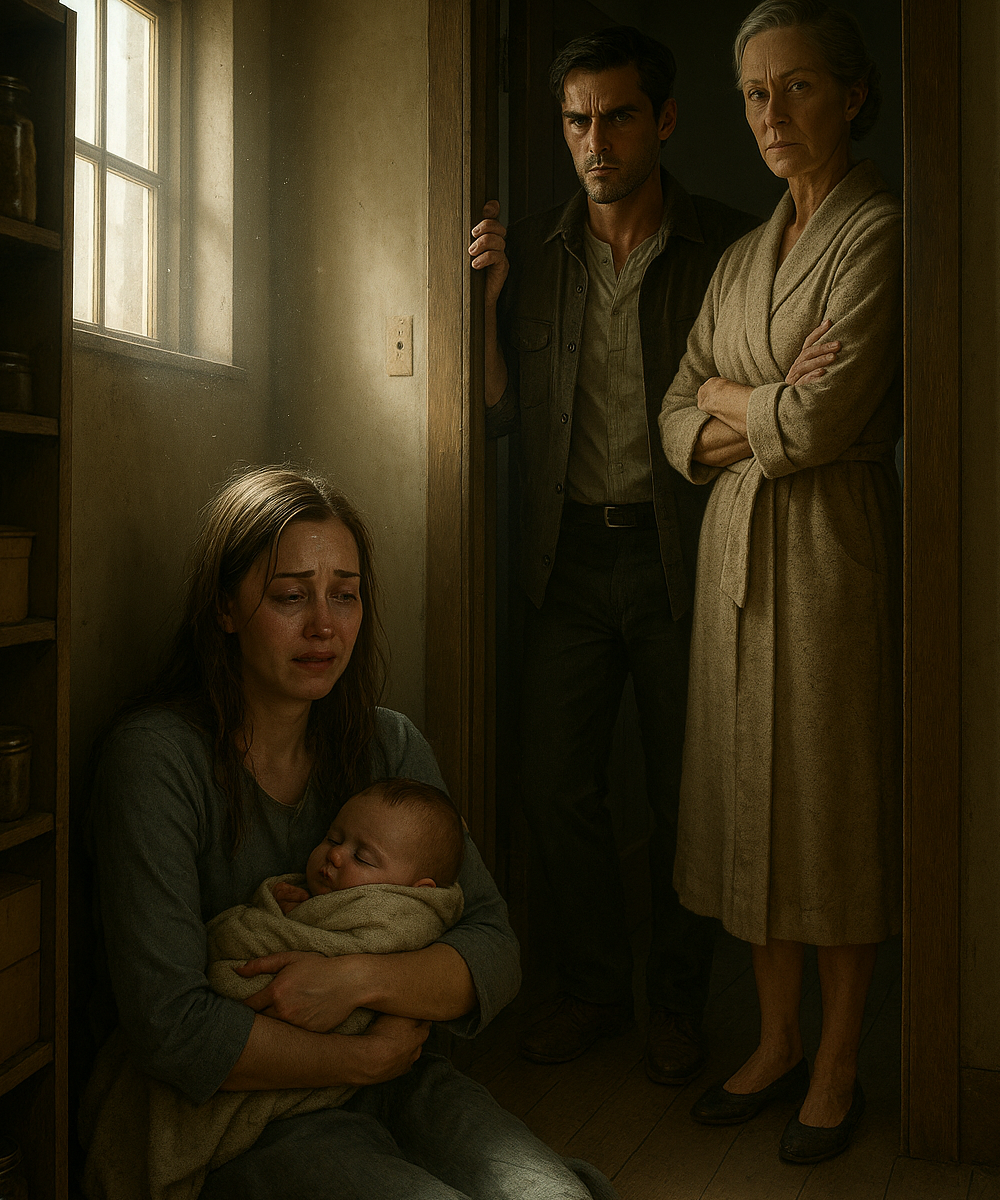
The breaking point was a public display of my own cowardice. After a sleepless night with our sick child, Anita refused my mother’s command to cook. Her quiet defiance in front of relatives felt like a personal attack on my authority. In a rage, I exiled my wife, the mother of my child, to a storeroom. I went to sleep that night proud of my decisiveness, completely blind to the monstrous act I had just committed. I was the hero of my own story, unaware the plot had already twisted into a tragedy.
The empty storeroom the next morning was the first crack in my delusion. The neighbor’s account of her tearful departure was the second. The divorce papers, citing the “mental cruelty” I had inflicted, were the sledgehammer that shattered it completely. The law was clear—my young son would stay with his mother. I was not just losing a wife; I was losing my child. The whispers from extended family, the shame, the quiet house—it all became a mirror forcing me to see the man I had become.
Now, I am a ghost in my own life, haunted by the silence where my son’s laughter should be. My mother still insists Anita will return, but I know she is wrong. My wife is gone, replaced by a resilient woman who has outgrown the need for my toxic validation. I am left with the crushing weight of a regret that came too late, a living lesson in the true cost of blind loyalty. The crossroads I face now is whether I have the courage to become a different man, not for her, but for what remains of my own soul.