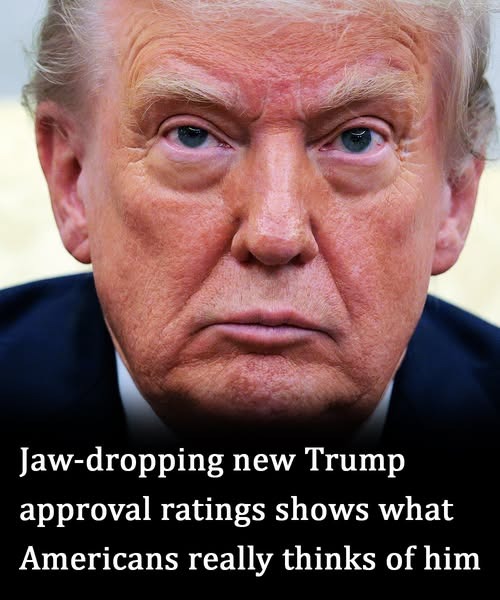
A new nationwide survey paints a stark picture of the American mood ten months into Donald Trump’s second term, revealing a public deeply weary and sharply divided over his leadership. While the former president continues to promote a narrative of “record-breaking success,” the data tells a different story, one of growing economic anxiety and political disillusionment. The optimism emanating from the White House is not reflected in the homes of everyday Americans, according to the latest findings, which show the president’s approval rating sinking to a concerning low.
The core of the public’s frustration appears to be economic. Despite promises of sustained prosperity, a significant portion of the electorate is feeling the pinch of rising costs. The poll indicates that nearly half of all voters cite the economy and cost of living as their primary concern, far outpacing issues like immigration or national security. For many working families, the reality of stagnant wages against the backdrop of soaring prices for housing, groceries, and healthcare has overshadowed broader economic indicators, turning a campaign narrative of domination into a personal story of struggle.
This economic discontent is compounded by widespread skepticism about the president’s policies. A majority of respondents believe his actions have actually made the economy worse, not better. This sentiment extends to the global stage, where a similar majority feels his foreign policy approach has damaged America’s standing abroad. Furthermore, a significant number of Americans express concern that the president has overreached his authority, pointing to unilateral actions taken without congressional approval as a sign of a leadership style that tests the boundaries of the office.
The president’s response to the poll has been characteristically defiant. He took to his social media platform to dismiss the findings as “fake news” and “phony polls,” accusing the media of a biased conspiracy against his administration. His message reiterated his belief in his own historic achievements, from a strong economy to an end to foreign conflicts. This reaction, while energizing his most loyal supporters, is seen by critics as a refusal to engage with the genuine concerns being voiced across the country.
The political implications of this discontent are profound as the nation looks toward the next election cycle. The poll suggests that more voters are likely to cast their ballots specifically against the president rather than for him, signaling potential headwinds for his party. The deep polarization remains, with approval among Republicans staying fiercely high while cratering among Democrats and independents. This division points to two Americas living in parallel realities, with a shrinking common ground and a growing distrust that challenges the very fabric of the nation’s political discourse.