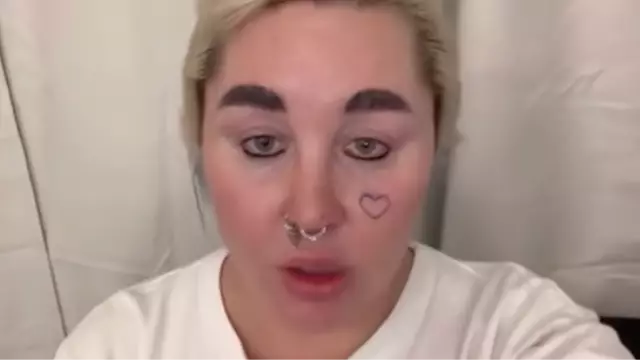
A chilling example of how easily reality can be distorted online has been exposed by Amanda Bynes herself. The former actor was forced to publicly deny a viral video that used edited clips to falsely portray her making a grave allegation against Dan Schneider, the producer behind her early career. The incident highlights the escalating challenge of combating sophisticated digital falsehoods and the personal toll they take on the individuals involved.
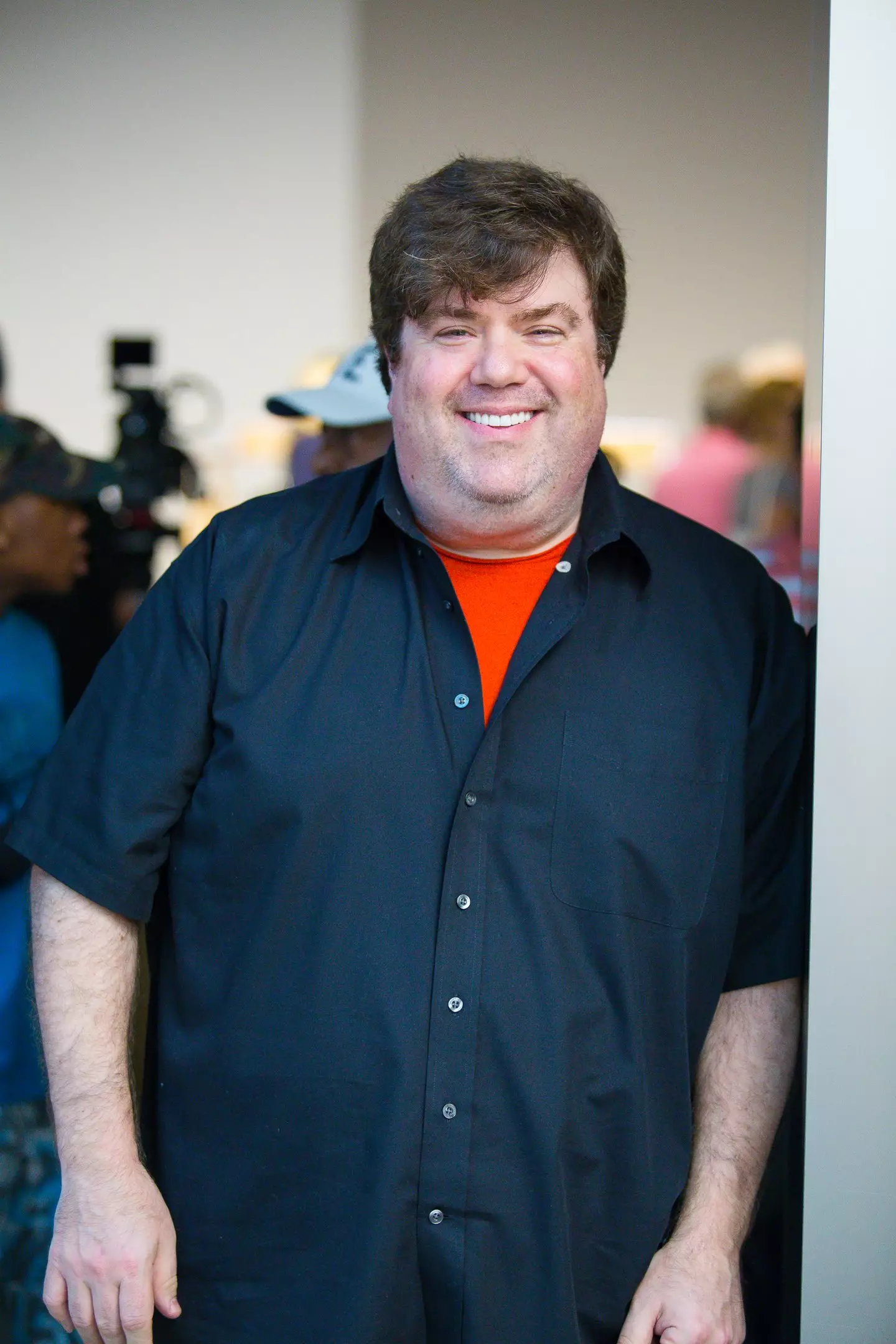
The fabricated video, which claimed Bynes had accused Schneider of assaulting and impregnating her at age 13, spread across social media platforms. Its timing was significant, arriving amid a wave of renewed public examination of Schneider’s past behavior, largely prompted by the documentary Quiet on Set: The Dark Side of Kids TV. The documentary featured firsthand accounts of a toxic work environment, making the ecosystem ripe for a related—but entirely false—story to gain traction.
Refusing to let the lie stand, Amanda Bynes utilized her own social media to set the record straight. She took to her TikTok stories to directly confront the source, stating unequivocally that the account was spreading “ridiculous allegations” and attributing statements to her that she would never make. This public rebuttal was a crucial step in reclaiming her narrative from those seeking to exploit her name and history for malicious purposes.
In a conversation with TMZ, Bynes provided the technical explanation for the hoax. She revealed that the viral clip was a deceptive edit, a compilation of unrelated segments from her past social media posts that were spliced together to create a fictional and damaging narrative. She attributed the video to someone with “too much time on their hands” who was creating “lies for clickbait.” This description points to a growing trend of content manipulation designed solely to generate online engagement, regardless of the human cost.

This event occurs within a broader legal context, as Dan Schneider is currently pursuing a defamation lawsuit related to the portrayal of his career in the recent documentary. While that case deals with allegations made in a formal production, the situation with Bynes illustrates a different, more anarchic form of defamation: one born from digital manipulation on social media. Bynes’ swift denial serves as a necessary firewall, protecting her reputation from a harmful digital fabrication and reminding the public to critically assess the content they encounter online.