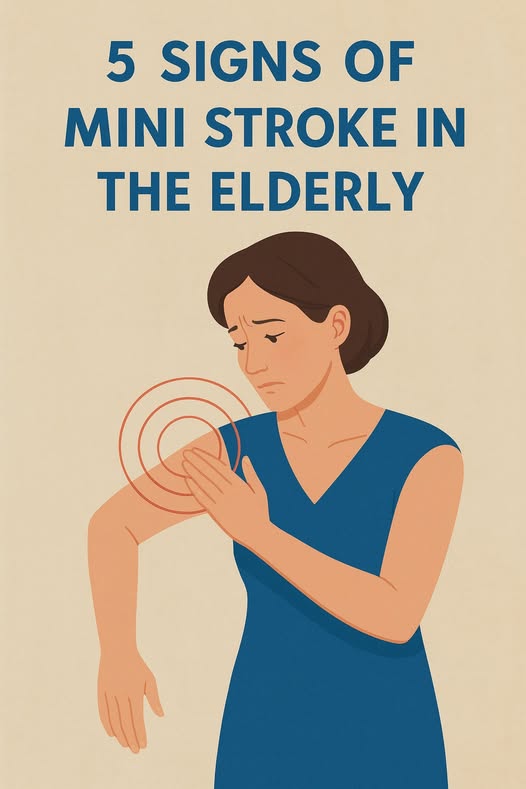
Caring for an aging loved one often involves watching for small changes, but some shifts demand immediate attention. It might be a moment of sudden confusion during a familiar conversation, a slight slur in their speech, or a brief episode of dizziness that passes as quickly as it came. These fleeting events can be easy to dismiss as a temporary lapse, but medical experts emphasize they should never be ignored. Often, these are the hallmark signs of a transient ischemic attack, or TIA, commonly known as a mini-stroke. A TIA occurs when there is a temporary blockage in the blood flow to the brain. While the symptoms may resolve on their own within minutes, the underlying message is critical: it is a powerful warning that a more severe stroke could be imminent.
The physiology behind these events is key to understanding their seriousness. Seniors are at a higher risk for TIAs if they have conditions like high blood pressure, which can strain blood vessels, or diabetes and high cholesterol, which can contribute to the buildup of plaque in the arteries. This plaque can narrow the pathways for blood or form a clot that temporarily blocks circulation to the brain. Lifestyle factors, including a sedentary routine, smoking, or unmanaged heart conditions like atrial fibrillation, significantly elevate this risk. Recognizing these factors is not about fostering anxiety, but about building a foundation of proactive health management to safeguard a senior’s well-being.
Knowing what to look for can make all the difference. The symptoms of a TIA are sudden and can include weakness or numbness on one side of the face or body, often in the arm or leg. The person may have trouble speaking or understanding simple sentences. Vision may become blurred or double in one or both eyes, and they might experience a loss of balance or coordination. A sudden, severe headache with no known cause can also be a red flag. The most deceptive aspect of a TIA is that these symptoms typically fade completely within an hour, sometimes in just a few minutes, which can lead to a false sense of security.
If you witness any of these signs, urgent action is required. The first and most crucial step is to call for emergency medical help immediately. Do not wait to see if the symptoms go away. A rapid response allows doctors to run diagnostic tests, identify the cause of the TIA, and begin preventive treatment to reduce the risk of a major stroke. This treatment might involve medications to prevent blood clots, manage blood pressure, or lower cholesterol, alongside recommended lifestyle adjustments. By acting swiftly, you are not just addressing a momentary scare; you are taking a definitive step to protect your loved one’s future health, independence, and quality of life.