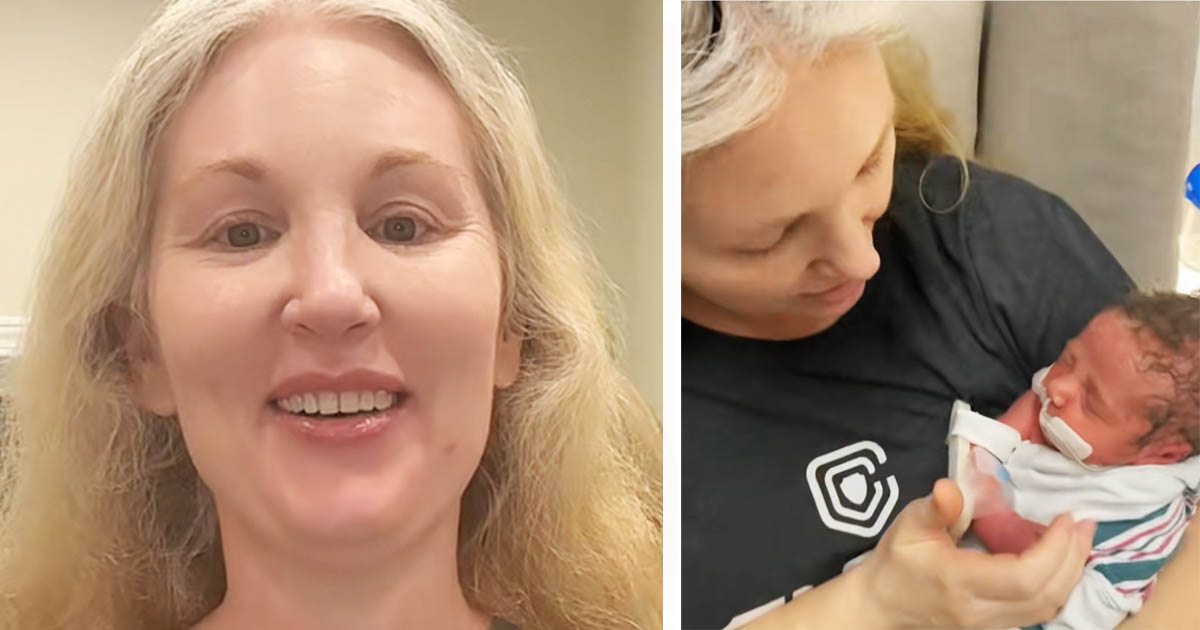
We often picture Alzheimer’s disease as a slow erosion of memories, but for those with early-onset forms, the initial symptoms can be far more specific and confusing. Staci Marklin was a 47-year-old Tennessee mom busy with the joys and challenges of raising a two-year-old son when she first noticed something was wrong. She, like many, initially attributed her mental fogginess to “mom brain,” but a series of strange linguistic errors and memory gaps soon pointed toward a much more serious condition, leading to a diagnosis that would change her life forever.
The clues began with her speech. Staci found herself constantly swapping words, issuing instructions that made no sense, such as asking someone to “move the carpet” instead of the curtain. This was more than a slip of the tongue; it was a consistent breakdown in her ability to access the correct vocabulary. Another jarring incident involved a complete mental block about a co-worker. Despite having a close working relationship with this individual, Staci could not conjure up any memory of them during a conversation, only to have the knowledge return unexpectedly days later.
Her family history provided the key piece of the puzzle. Having seen her grandmother live with Alzheimer’s, Staci recognized the patterns in her own experiences. This awareness empowered her to seek medical help, though she faced the common hurdle of medical professionals underestimating her risk due to her age. The journey to a diagnosis was fraught with doubt and fear, but Staci refused to be swayed from the truth she felt in her core. She knew the changes in her cognitive function were not normal.
The confirmation came through an amyloid PET scan, a test that detects the protein plaques associated with Alzheimer’s in the brain. In October 2024, Staci and her husband received the devastating news: she had early-onset Alzheimer’s. The diagnosis was a brutal shock, plunging them into a world of grief and uncertainty about the future. In that moment, they understood that their lives were taking a path they had never anticipated, one that would require immense strength and adaptation.
Today, Staci is channeling her energy into advocacy and treatment. She has started a course of lecanemab, a medication aimed at slowing the disease’s progression, and has built a community on TikTok where she shares her story. Her mission is to break the pervasive stigma that Alzheimer’s only affects the elderly and that those diagnosed immediately lose their autonomy. By speaking out, Staci Marklin is giving a face and a voice to early-onset Alzheimer’s, ensuring that the first subtle symptoms are recognized and acted upon with the urgency they deserve.