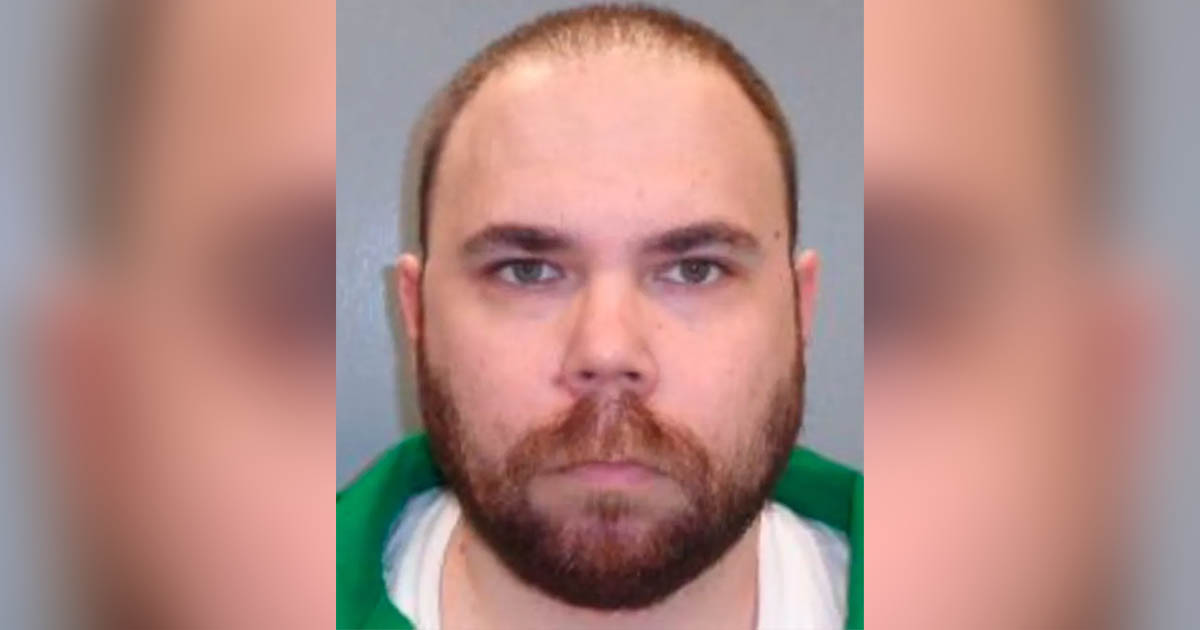
The final hours of a condemned man often reveal a stark tapestry of human contradiction, and the execution of Stephen Bryant was no exception. The triple murderer, put to death by a firing squad in South Carolina, spent his last day making specific choices that painted a picture far more complex than the monster his crimes suggested. From his selected method of death to his elaborate final meal and a poignant last wish, Bryant’s finale forced a glimpse into the person behind the brutal acts.
Bryant controlled what he could in his final moments. He chose a firing squad over the more clinical lethal injection, a rare and historically significant selection. His last meal was not a simple request but a detailed feast: mixed seafood stir fry, fried fish over rice, egg rolls, stuffed shrimp, two candy bars, and German chocolate cake. This curated menu, a final sensory experience, stood in jarring contrast to the violence of his 2004 spree, where he killed three men and taunted a grieving family with notes written in his victim’s blood.
The most powerful statement, however, came after his death through his attorney, Bo King. Bryant’s final wish was not for himself, but a plea that others would not be denied mental health support due to cost, a barrier he claimed to have faced. This appeal for compassion from a man who showed little to his victims adds a deeply complicating layer to his story. His lawyer’s eulogy, describing a man capable of “grace,” “courage,” and “fierce protectiveness,” presented a character at odds with the facts of his case.
The execution of Stephen Bryant ultimately leaves behind two parallel narratives. One is the clear-cut story of a guilty man facing justice for unforgivable crimes, providing long-awaited closure for the victims’ families. The other is a murkier tale of a troubled individual, haunted by childhood trauma and failed by systems meant to provide care. While the state delivered its punishment, Bryant’s last message ensures that the conversation about his life and death will extend beyond the prison walls, lingering on the complex and often uncomfortable relationship between mental health, personal responsibility, and ultimate justice.