For any student of acting, the opinions of Quentin Tarantino serve as a masterclass in what defines excellence in the craft. Having shaped some of the most memorable performances in modern cinema, his criteria for greatness are specific and deeply insightful. He doesn’t just praise movie stars; he celebrates artists who demonstrate a profound commitment to character, a wild creative spirit, and an almost reckless bravery in their choices. His selections for the finest actors reveal a blueprint for what he believes constitutes a legendary performer.
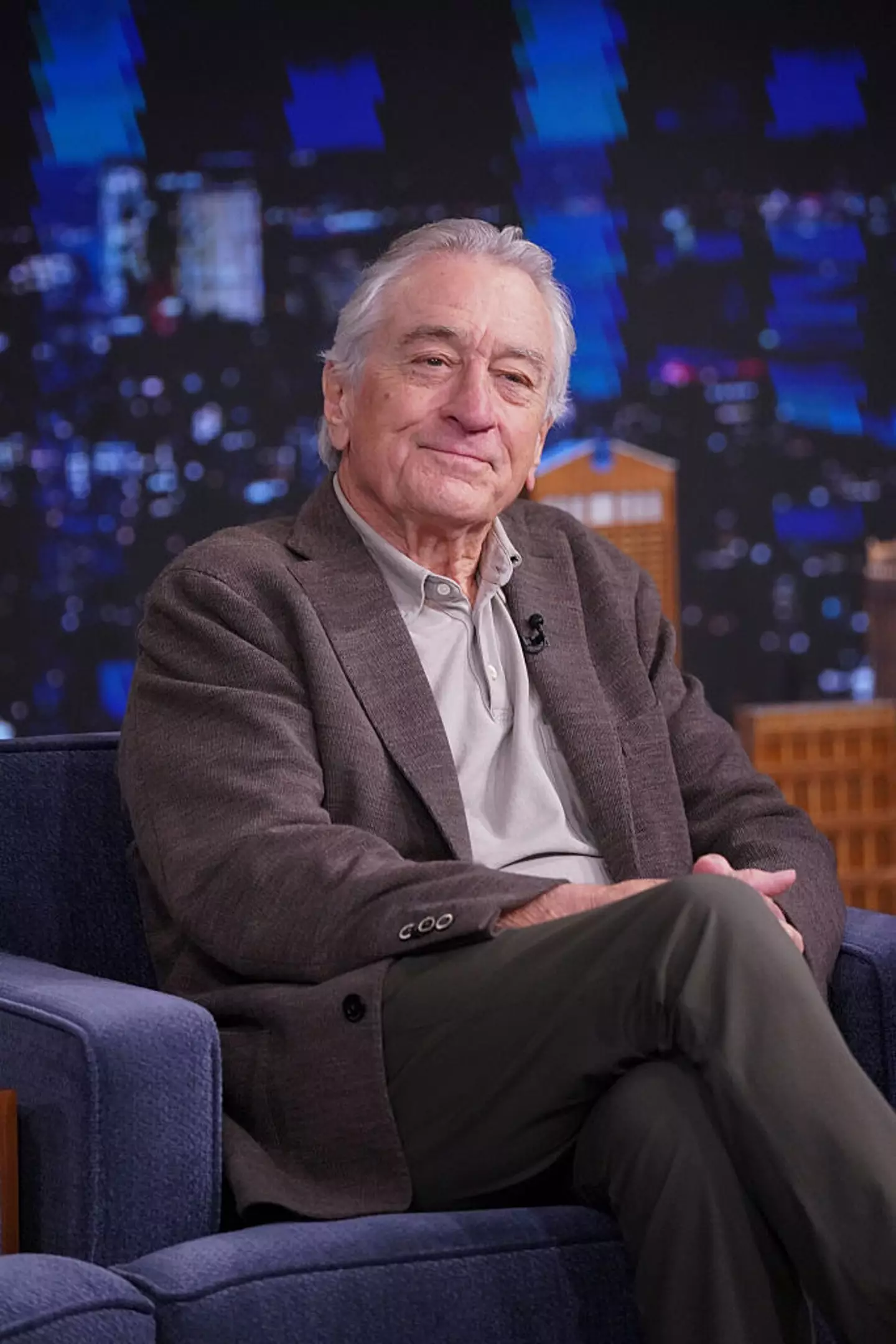
The archetype of Tarantino’s ideal actor is Robert De Niro, whom he anointed “the best actor in the world” following their work on “Jackie Brown.” What Tarantino observed and admired was De Niro’s method of “true character work.” He described an actor so thoroughly consumed by his role that he operated moment-to-moment, building a performance from a foundation of absolute truth. This complete immersion, where the actor’s own persona vanishes in service of the character, represents the highest form of the art for Tarantino.
He also holds a special place for what he terms “wild behavioural actors,” with Michael Parks as the prime example. Tarantino’s declaration that Parks was “one of the greatest actors that’s ever been produced in our lifetime” speaks to his appreciation for performers who bring a unique, unpredictable, and often dangerous energy to the screen. These are actors who prioritize behavioral truth and idiosyncratic choices over polished, conventional techniques, creating characters that feel startlingly real and unmanufactured.
When assessing his contemporaries, Tarantino’s praise highlights three distinct pillars of performance. He values the “sexual-violence charisma” of Sean Penn, a raw and potent force that dominates the frame. He admires the “versatility and ferociousness” of Tim Roth, an actor with a chameleon’s ability to transform completely. Most revealingly, he celebrates the “fearlessness” of Nicolas Cage. Tarantino’s unique observation that Cage made a career of “being miscast and rising to the occasion” is a profound compliment. It suggests that true greatness isn’t about perfect suitability, but about the artistic courage to impose your will on a role, to defy expectations, and to create something unforgettable through sheer force of talent and conviction. This is the Tarantino standard: truth, wildness, and fearless commitment.