
The political dynamics surrounding the Jeffrey Epstein case have taken a new turn, culminating in a significant reversal from former President Donald Trump. The sequence began when Democrats on the House Oversight Committee released a batch of emails featuring communications between Epstein and Ghislaine Maxwell. These documents, part of an ongoing investigation, contained multiple references to Trump, reigniting public interest in his past association with the disgraced financier.

This release prompted author Stephen King to launch a public critique aimed directly at Trump. King’s central argument was twofold. First, he questioned the former president’s reluctance to support the full disclosure of the files, implying that a truly innocent person would have no objections. Second, and more profoundly, King made a sociological claim, stating that “The American public has grown numb to sexual crimes.” He contended that the political immunity Trump enjoys today would not have existed in a previous era, suggesting the allegations would have ended his career long before his run for the presidency.
Facing this pressure, Trump executed a strategic pivot. Just days after King’s comments, he took to Truth Social to announce his support for releasing the Epstein files. His statement framed this position as one of confidence and transparency, asserting that Republicans have “nothing to hide.” However, he simultaneously worked to discredit the motivation behind the document release, labeling it a “Democrat Hoax” and a distraction from his policy agenda. This move allows him to appear cooperative while instructing his base to view the entire process as a partisan attack.
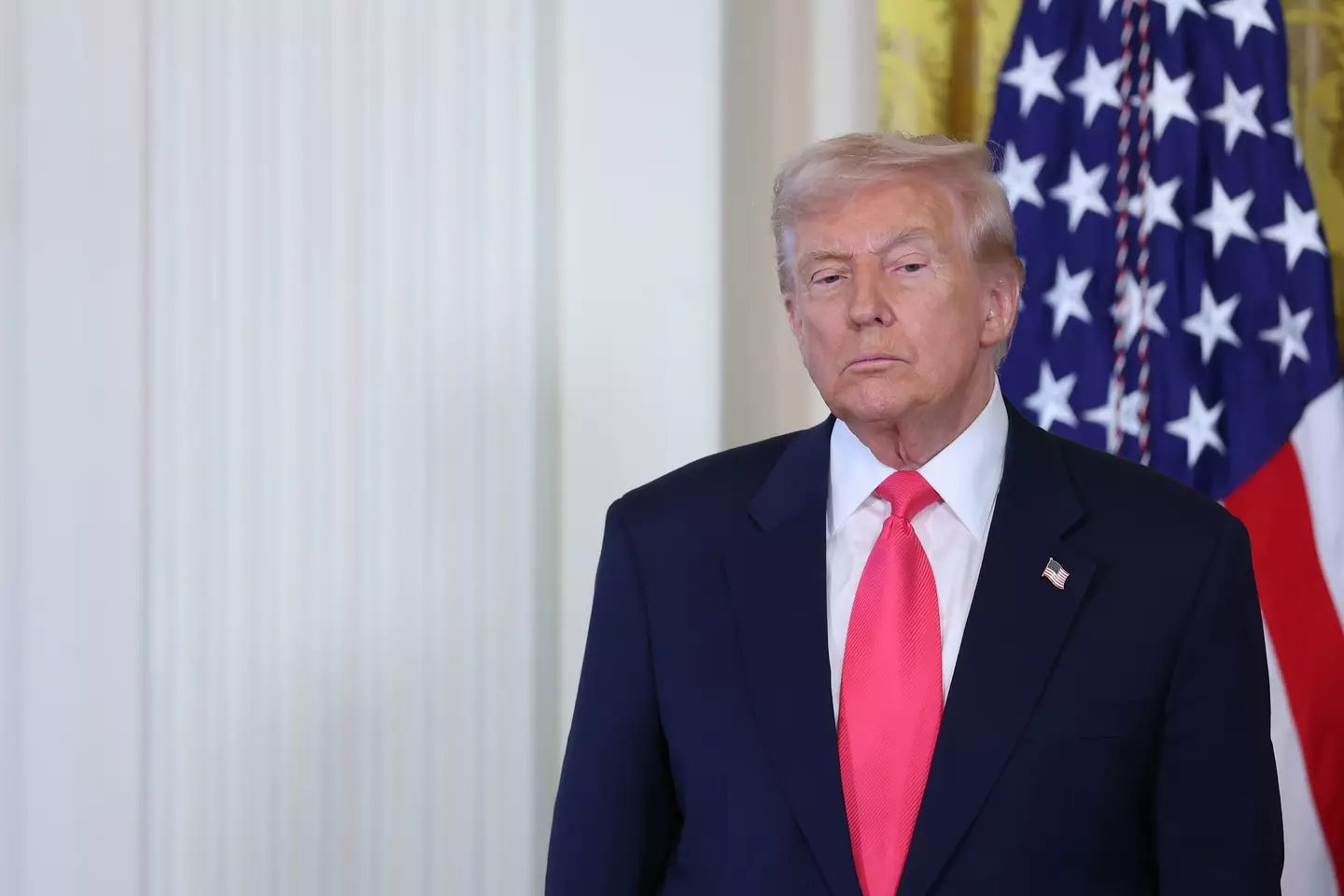
The White House was quick to support this narrative. In an official statement, Press Secretary Karoline Leavitt accused Democrats of selective leaking to create a “fake narrative.” She provided specific counterpoints, citing the late victim Virginia Giuffre’s past statements that cleared Trump of wrongdoing and reminding the public that Trump had expelled Epstein from his Palm Beach club years ago.
This episode demonstrates the complex interplay between public pressure, media narrative, and political strategy. King’s criticism seemingly forced Trump’s hand, leading to a public reversal. However, Trump’s response was carefully crafted to neutralize the threat by embracing transparency on the surface while undermining the credibility of the process itself. The situation continues to evolve, but it already serves as a case study in how political figures manage scandals in the modern media environment.