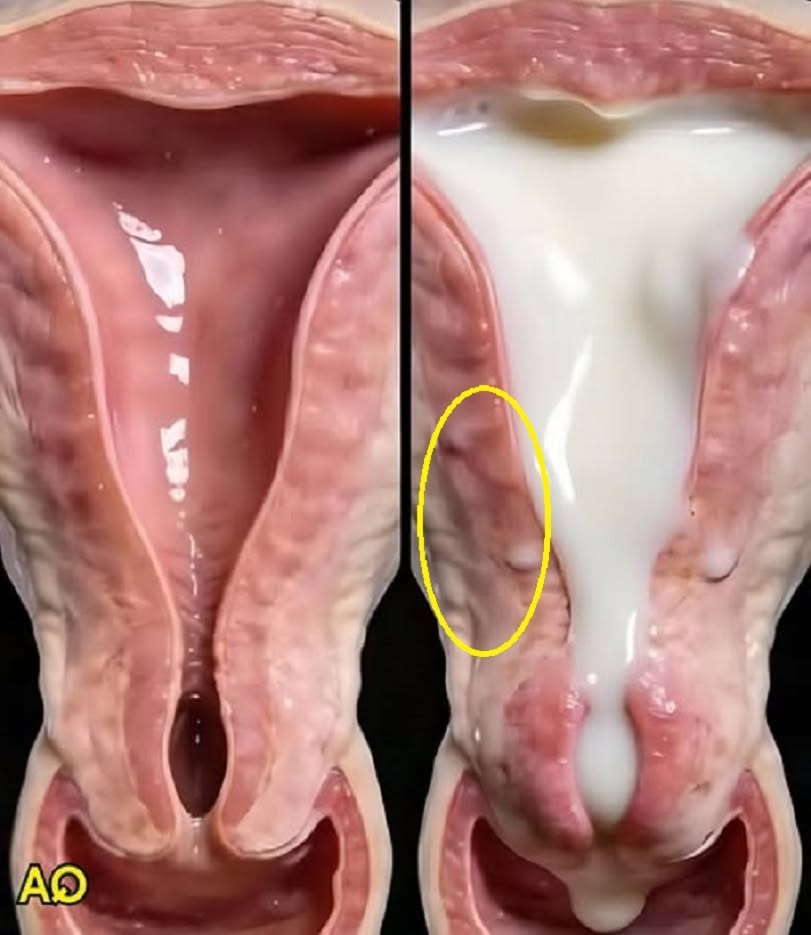
For decades, cervical cancer was one of the most common causes of cancer death for women globally. Today, the narrative is completely shifting. It has transitioned from a poorly understood, unpredictable threat into something entirely different: a disease that is largely preventable, highly treatable, and, with the right global effort, entirely capable of being eliminated.
Understanding cervical cancer requires looking closely at its distinct biological drivers, recognizing its quiet warning signs, and taking advantage of a powerful, modern prevention toolkit.
The Root Cause: A Viral Connection
Unlike many other forms of cancer that are dictated heavily by family history or genetics, cervical cancer has a very specific and well-documented primary cause: Human Papillomavirus (HPV).
-
The HPV Link: Persistent infection with high-risk strains of HPV is responsible for virtually all (more than 95%) cervical cancer cases. HPV is an incredibly common virus passed through skin-to-skin contact, often during sexual activity. Most adults will contract some form of HPV at some point in their lives.
-
The Clearance vs. Persistence Factor: In the vast majority of people, the immune system naturally clears the virus within one to two years without causing any harm. However, in a small percentage of individuals, the virus evades the immune system, staying quiet for years or even decades. Over time, this persistent infection can cause normal cells on the surface of the cervix to become abnormal, eventually leading to precancerous lesions and, if left unchecked, invasive cancer.
-
Co-Factors and Risks: While HPV is the necessary spark, other factors increase the likelihood of an infection turning into cancer. These include long-term smoking (which weakens the cervical tissue’s localized immunity), living with compromised immune systems (such as HIV), or lack of access to regular screening.
The Subtle Symptoms: What to Watch For
In its earliest, most treatable stages, cervical cancer is notoriously quiet. It rarely causes pain or noticeable discomfort, which is why relying on symptoms alone is a dangerous strategy. However, as the disease progresses and tumor cells begin to affect surrounding tissue, certain signs will appear.